Köpa.se Logo
x
569 056
PRODUKTER
x
1 542
KATEGORIER
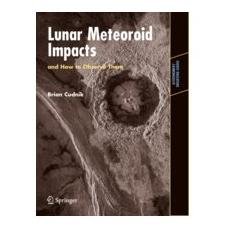
Lunar Meteoroid Impacts And How To Observe Them

Denna bok utforskar hur månen fortfarande påverkas av meteoriter idag, vilket skapar observerbara fenomen. Författaren, Brian Cudnik, som var en av de första att observera en meteoritnedslag på månen i realtid, förklarar hur både amatörer och professionella astronomer kan leta efter dessa händelser.

240 kr

Böcker
Astronomi
AstroSwedenKöp produkten hos AstroSweden
Liknande produkter
The far side of the moon
226 kr
AstroSweden
This book is a companion to Byrnes's award-winning Lunar Orbiter Photographic Atlas of the Near Side of the Moon (Springer, 2005). It provides comprehensive coverage of the far side of the Moon, and is the first book that collects photographs from all five Lunar Orbiter missions: Clementine, Apollo, Luna, Zond, and Nozomi. As in the previous book, the scanning artifacts of the Lunar Orbiter photos have been cleaned.The far side of the moon, Authors: Byrne, Charles The photographs show each part of the far side in the most favorable resolution and sun angle. There are many high-altitude oblique photos that provide a feeling of being in space this book is more like a photographic tour of the far side than an atlas. The striking differences between the near and far side have been a major mystery for astronomers but this book suggests an explanation: a massive early impact on the near side produced the Near Side Megabasin an impact so large that its rim is on the far side. The floor of this basin established the canvas for the portrait of the Man in the Moon and its ejecta prepared the far side for the rugged array of basins and craters shown in these photos. Since many professional and amateur astronomers direct their telescopes to the near side of the Moon these photos provide a unique opportunity to become familiar with the far side! The FREE CD included with the book contains all the enhanced and cleaned photographs for screen viewing, lectures, etc.
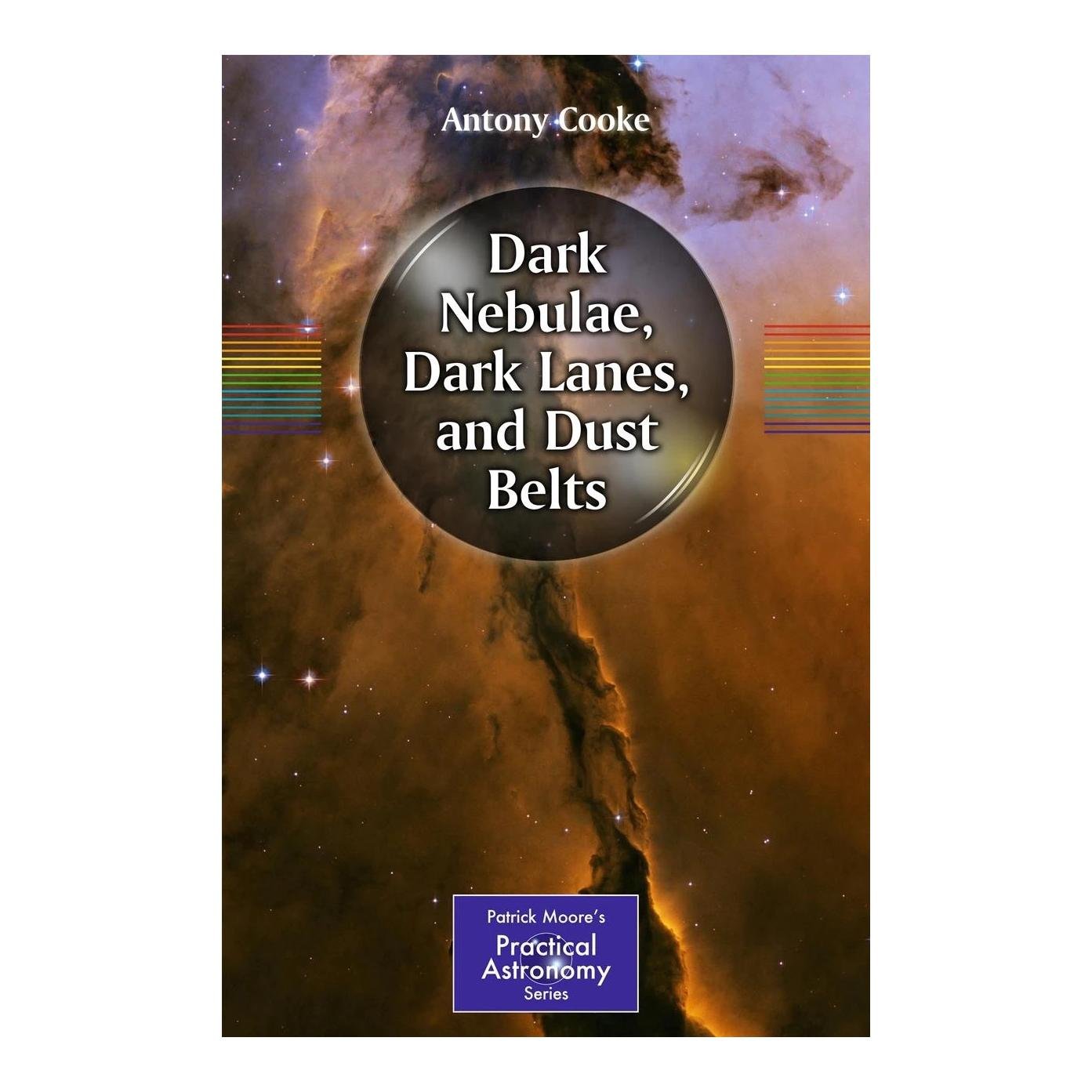
Dark Nebulae, Dark Lanes, And Dust Belts
369 kr
AstroSweden
Author: Antony Cooke Serves as the only resource for amateur observers who specifically set out to observe dark features in the deep sky Offers detailed descriptions of how to study dark objects, including recommendations for choosing commercial equipment Shows how practical observations of dark features can be made from suburban (light-polluted) locations Contains numerous helpful individual object descriptions and illustrations
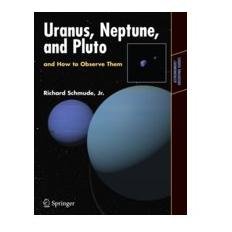
Uranus, Neptune, and Pluto and How to Observe Them
359 kr
AstroSweden
This book tells the story of two giants and a dwarf. The giants, Uranus and Neptune, are mostly huge balls of gas, and they make their home in the remotest reaches of the Solar System. The dwarf, Pluto, which can usually be found even farther out than the two giants, was always small, but up until a short while ago, it enjoyed the same status as the other planets, a full-fledged member of the Solar System. Today, Pluto has been re-classified as a "dwarf planet."Uranus, Neptune, and Pluto and How to Observe Them, Authors: Schmude, Jr., Richard In this clear and succinct overview of the current research on these remote Solar System objects, Richard Schmude, Jr., tells us what facts we do know about these faraway entities, what we are seeking to know, and also how to observe them for yourself, using commercially available telescopes. He also explains why Pluto was re-classified and what it means, exactly, to be a dwarf planet. Intrigued by these objects since boyhood, Schmude has compiled a loving tribute to them, if not making them warm and fuzzy, at least making them seem less remote and bringing them into our current frame of reference, giving them personality and revealing their worth in our understanding of the structure and nature of the Solar System in which we live. Richard Schmude 2008, XII, 232 p. 9 illus. in color.

Incoming Asteroid!
329 kr
AstroSweden
Lately there have been more and more news stories on objects from space such as asteroids, comets, and meteors whizzing past Earth. One even exploded in the atmosphere over a Russian city in 2012, causing real damage and injuries. Impacts are not uncommon in our Solar System, even on Earth, and people are beginning to realize that we must prepare for such an event here on Earth.Incoming Asteroid - What Could We Do About It?, Author: Duncan Lunan What if we knew there was going to be an impact in 10 years time? What could we do? Its not so far in the future that we can ignore the threat, and not so soon that nothing could be done. The author and his colleagues set out to explore how they could turn aside a rock asteroid, one kilometer in diameter, within this 10-year timescale. Having set themselves this challenge, they identified the steps that might be taken, using technologies that are currently under development or proposed. They considered an unmanned mission, a follow-up manned mission, and a range of final options, along with ways to reduce the worst consequences for humanity if the impact cannot be prevented. With more warning, the techniques described could be adapted to deal with more severe threats. If successful, they can generate the capability for a much expanded human presence in space thereafter. With the dangers now beginning to be recognized internationally and with major new programs already in motion, the prospects for civilization and humanity, in relation to the danger of impacts, look much more hopeful than they did only a decade ago.
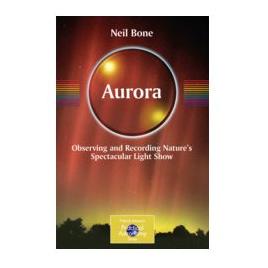
Aurora - Observing And Recording Natures Spectacular Light Show
230 kr
AstroSweden
The uniquely beautiful light display of an aurora is the result of charged particles colliding with tenuous atmospheric oxygen and nitrogen, more than 60 miles above the Earth, when the magnetosphere is disturbed by changes in the solar wind.Aurora - Observing and Recording Nature's Spectacular Light Show, Authors: Bone, Neil Often - and incorrectly - regarded as being confined to high northern and southern latitudes, major auroral displays are visible from even the southern USA and the south of England, and occur perhaps twenty times in each eleven-year sunspot cycle. Major auroral storms always cause great interest and excitement in the media, and of course provide practical astronomers with the opportunity to study and image them. This book describes the aurora from the amateur observational viewpoint, discusses professional studies of auroral and geomagnetic phenomena to put amateur work in context, and explains how practical observers can go about observing and recording auroral displays.
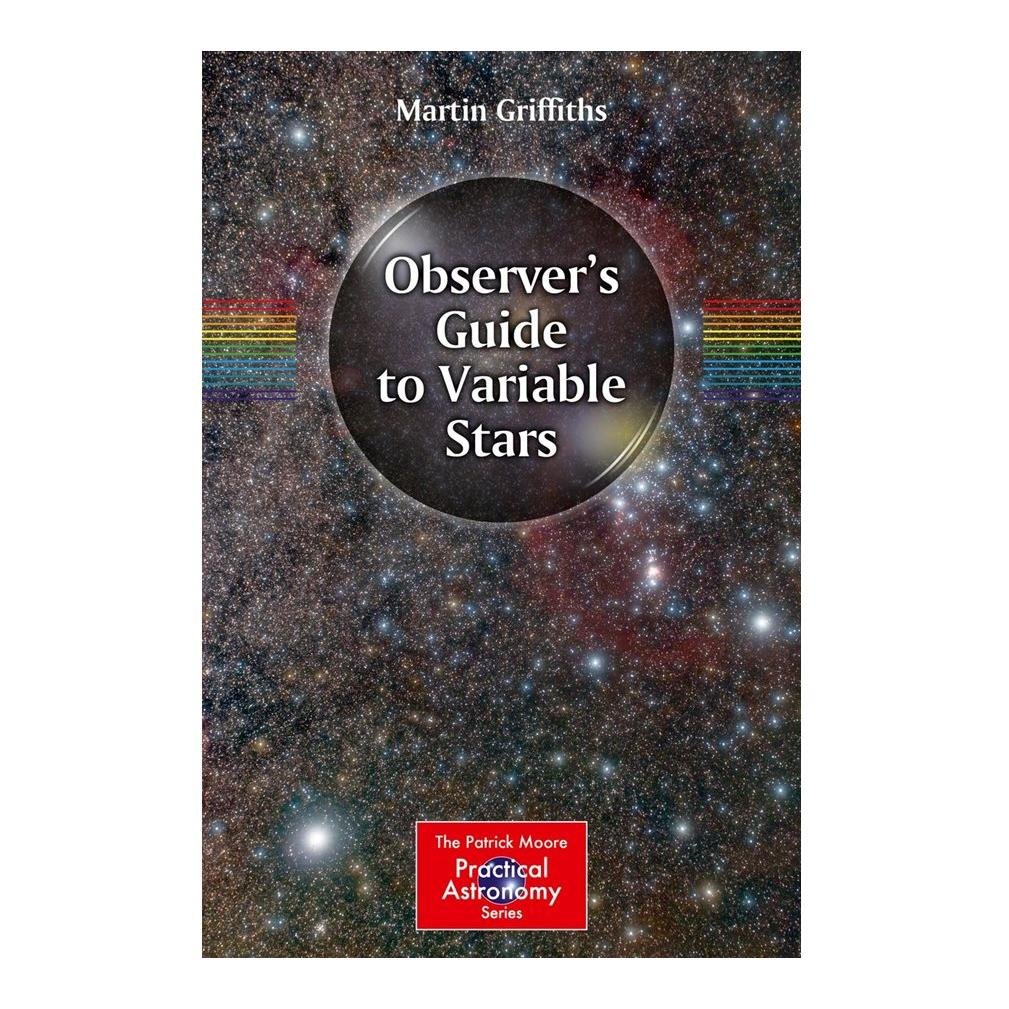
Observer's Guide To Variable Stars
292 kr
AstroSweden
Provides a one-stop shop for the amateur variable star observer. Features chapters on binocular variable stars and photometric study of variable stars, topics that have not been addressed in most other amateur astronomy books. Uses non-mathematical language that is easily accessible to anyone with a general interest in astronomy. Provides basic and advanced information for an activity many amateur astronomers pursue once they have developed some skills in deep sky observing This book contains everything you need to know about variable stars -- stars whose brightness varies noticeably over time. The study of variable stars has been a particularly popular area of research for amateurs for many years; the material contained herein serves as both an introduction to amateur astronomers and a useful reference source for seasoned variable star observers.  With its thorough, non-mathematical descriptions of variable stars and tips for how to see them, this book enables novices and experts alike to set off into the field and observe a wide range of delightful sights. It strikes a balance between easily visible objects that can be seen in any telescope or binoculars, and variable stars that are a direct challenge to those with large aperture equipment or access to photometric tools and methods. After helping the observer differentiate between variable star types, the author goes on to explain the skills needed to operate a telescope and other equipment, as well as how to couple filters to a CCD camera or digital SLR camera in order to photometrically record these celestial objects. Further, the book includes an observational guide to 50 objects for study, with finder charts and data about light curves for ease of identification, along with the stars’ celestial coordinates, magnitudes, and other pertinent information.
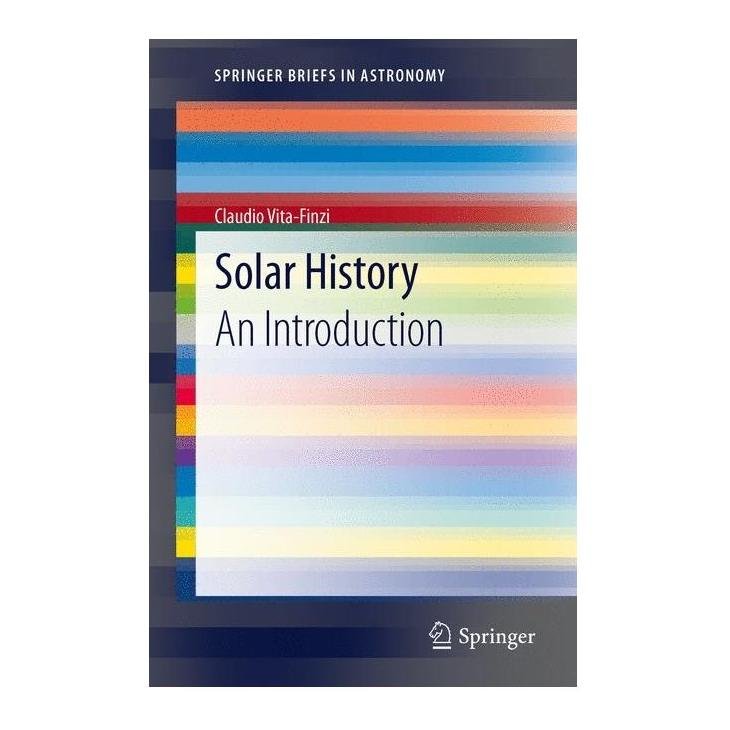
Solar History - An Introduction
599 kr
AstroSweden
En introduktion till solens historia.Solar History - An Introduction - Författare: Claudio Vita-Finzi Beyond the four centuries of sunspot observation and the five decades during which artificial satellites have monitored the Sun – that is to say for 99.99999% of the Sun's existence – our knowledge of solar history depends largely on analogy with kindred main sequence stars, on the outcome of various kinds of modelling, and on indirect measures of solar activity. They include the analysis of lunar rocks and meteorites for evidence of solar flares and other components of the solar cosmic-ray (SCR) flux, and the measurement of cosmogenic isotopes in wood, stratified ice and marine sediments to evaluate changes in the galactic cosmic-ray (GCR) flux and thus infer changes in the sheltering magnetic fields of the solar wind. In addition, shifts in the global atmospheric circulation which appear to result from cyclic fluctuations in solar irradiance have left their mark in river sediments and in the isotopic composition of cave deposits. In this volume the results these sources have already produced have been summarised, paying special attention to those that reflect processes in different parts of the Sun's interior and that display periodicities and trends which may enable us to forecast future large-scale environmental changes. Språk: Engelska
Total Solar Eclipses and How to Observe Them
355 kr
AstroSweden
Every total solar eclipse sees cruise ships or coach convoys, and frequently both, conveying to thousands of observers the narrow umbral track, where they can witness this rare and beautiful astronomical event, weather permitting. But for each total solar eclipse you get just a few minutes (or seconds) to make the most of the spectacle, savor it visually, and record the event.Total Solar Eclipses and How to Observe Them, Authors: Mobberley, Martin * Describes the astronomy, science and physics of total solar eclipses, and the phenomena that can be observed only during a total eclipse. * Enables members of the growing community of eclipse chasers to ensure that they have with them all the right equipment to observe or image a total solar eclipse. * Describes what to expect during a total solar eclipse, in different conditions and in different locations. * Describes previous eclipse expeditions, including a look at the less serious side: eclipse expedition disasters. * Provides a checklist of where to go to see total solar eclipses for the next 15 years. Every total solar eclipse sees cruise ships or coach convoys, and frequently both, conveying to thousands of observers the narrow umbral track, where they can witness this rare and beautiful astronomical event, weather permitting. But for each total solar eclipse you get just a few minutes (or seconds) to make the most of the spectacle, savor it visually, and record the event. You have to get it right first time, which is where Total Solar Eclipses and How to Observe Them comes in. Here is all the information an eclipse chaser needs to ensure a trouble-free expedition. Martin Mobberley explains how to avoid equipment and set-up errors thousands of miles from home, advises on the right equipment to buy for observing and digital SLR imaging, and explains the crucial points to address when traveling abroad with astronomical equipment. The first part of the book contains a wealth of information about total solar eclipses themselves: how and why they happen, related physics of the Sun, the alignment geometries, and, of course, the astronomical features that can only be witnessed when our Moon precisely covers the solar disk.
The Universe Today
260 kr
AstroSweden
* Titel: The Universe Today * Författare: Carlos Martins * Språk: Engelska * Utgiven: 2020 * Format: Häftad * ISBN: 9783030496319 * Gives a gentle introduction to our current knowledge of the universe and how we came to our present view * Descriptive rather than mathematical, but includes maths separately for those seeking more detail * Author is an experienced teacher and popularizer in the field of astronomy and cosmology Starting out from humankind's earliest ideas about the cosmos, this book gives the reader a clear overview of our current understanding of the universe, including big bang theories and the formation of stars and galaxies, as well as addressing open questions. The author shows how our present view gradually developed from observations, and also how the outcome of ongoing research may still change this view. The book brings together concepts in physics and astronomy, including some history in both cases. The text is descriptive rather than technical: the goal is to present things rigorously and without oversimplification, by highlighting the crucial physical concepts. The only prerequisite is a qualitative knowledge of basic physics concepts at high-school level.
Finding a Million-Star Hotel
285 kr
AstroSweden
* Mizon, a well-known expert on light pollution, offers insider advice on the best dark sky sites * Includes photographs of some of the best astrophotographers * Encourages amateur astronomers to travel to protected observing locations with practical tips for how to observe once they are there Finding a Million-Star Hotel, author: Mizon, Bob Bob Mizon, one of the world's best known campaigners against the veil of light pollution that has taken away the starry sky from most of the world's population, takes readers to a hundred places in the UK and the USA where the wonders of the night sky might still be enjoyed in perfect or near-perfect night skies. Visiting small hotels and simple campsites, and savoring vast dark-sky reserves where the night sky is actively protected, The Million-Star Hotel celebrates the black skies of yesteryear – which may become a reality for more and more of us as modern technology reins in lighting and puts it only where needed. How can you prepare for your stay beneath the stars? What astronomy can you do during the daytime? What kind of equipment will you need? Questions such as these are answered, and if town dwellers return inspired – and, Bob hopes, also inspired to look with fresh eyes at their own local lighting – there is enough information here for them to equip themselves for some urban astronomy too.
Celestial Delights
160 kr
AstroSweden
* Enables Northern Hemisphere readers to quickly determine the next celestial event they can see with the naked eye. * Guides readers through eight years of the sky's rhythms via a month-by-month almanac and annual overviews with each year's best events. * Helps seasoned observers such as eclipse chasers plan travel for events. Celestial Delights, Authors: Reddy, Francis Celestial Delights is the essential "TV Guide" for the sky. Through extensive graphics integrated with an eight-year-long calendar of sky events, it provides a look at "don't miss" sky events, mostly for naked-eye and binocular observing. It is organized by ease of observation lunar phases and the brighter planets come first, with solar eclipses, the aurora, and comets coming later. This third edition also includes a hefty dose of sky lore, astronomical history, and clear overviews of current science. It provides a handy reference to upcoming naked-eye events, with information broken out in clear and simple diagrams and tables that are cross-referenced against a detailed almanac for each year covered. This book puts a variety of information all in one place, presents it in a friendly way that does not require prior in-depth astronomical knowledge, and provides the context and historical background for understanding events that astronomy software or web sites lack.
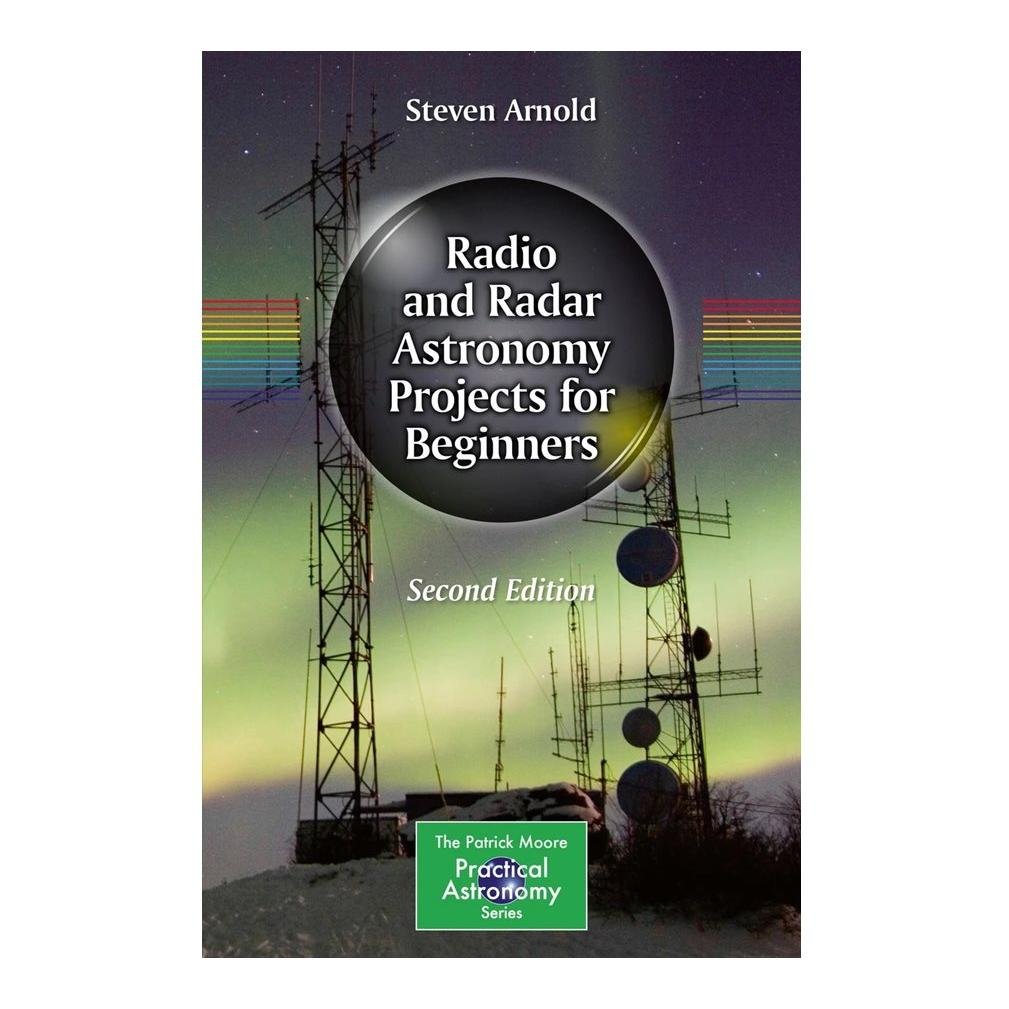
Radio and Radar Astronomy Projects for Beginners
315 kr
AstroSweden
A nontechnical, nonmathematical primer on amateur radio astronomy. Includes 4 new amateur projects, including bouncing a signal off the moon, detecting the aurora, ISS, and more. Offers expanded resources for the interested reader.
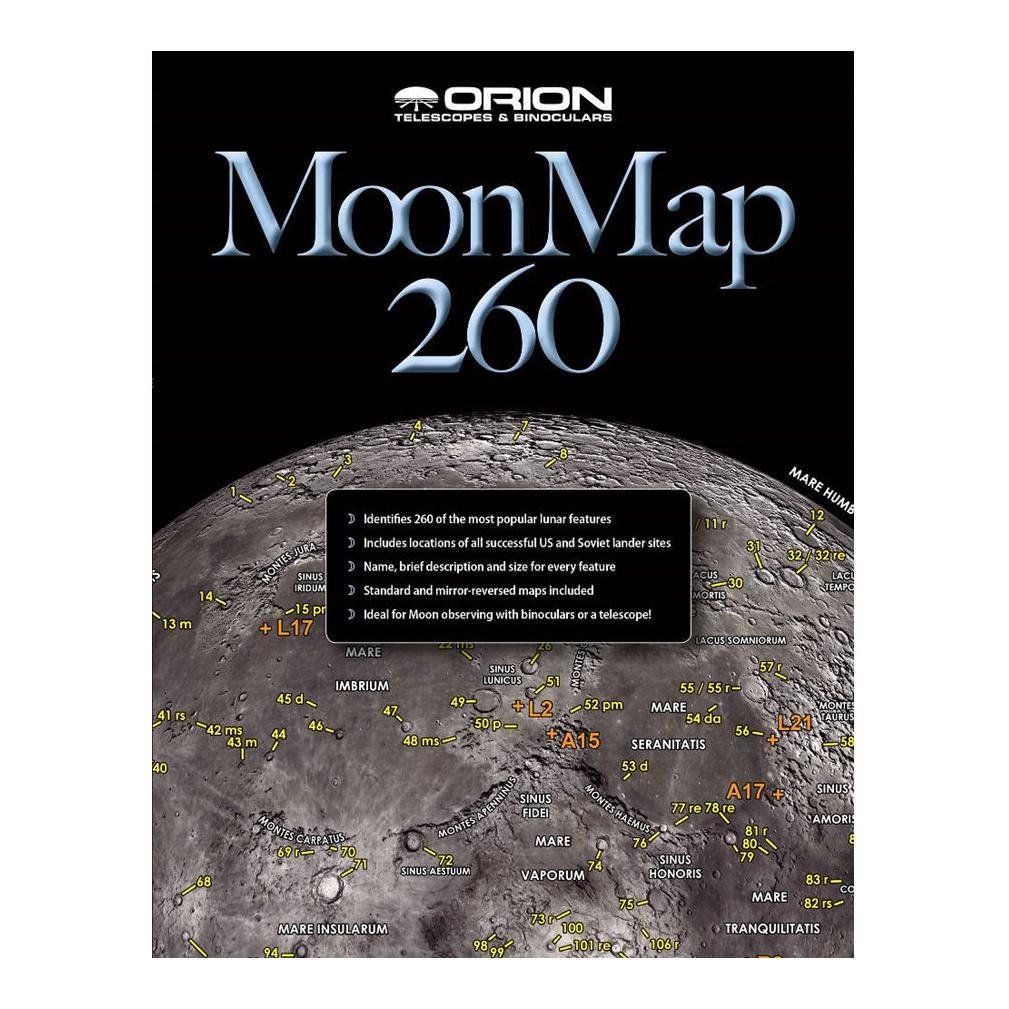
Moon map
195 kr
AstroSweden
Denna mycket detaljerad och vattenresistent karta på månen är ett ovärderligt verktyg för alla amatörastronomer.Orion Moon map månkarta - språk: Engelska * Karten visar över 260 detaljer på månen, bland annat kratrar, dalar, lavaområden, bergskedjor och alla lyckade månlandningar av USA och Sovjet. * Vattenresistent och smutsresistent. * Storlek 64x28 cm öppnad eller 31,6x28 cm vikt ihop. * Kartan visar månen både i korrekt orientering och spegelvänd så att kartan passar till alla typer av teleskop eller kikare. Månens ljusa ansikte har inspirerat astronomer i århundraden. Eftersom månen är mycket närmare jorden än något annat föremål på natthimlen är utsikten över dess upplysta yta otroligt detaljerad när den observeras genom kikare eller ett teleskop. Spännande kratrar, klippiga berg och vidsträckta "hav" av forntida lavaflöden ger underbara mål för hobbyastronomer. Med den prisvärda Orion MoonMap 260 kan du enkelt identifiera, lokalisera och lära dig om de många intressanta funktionerna i jordens enda naturliga satellit. MoonMap identifierar över 260 av de mest populära månytan, inklusive kratrar, bergskedjor, dalar, sprickor, "hav" och mer. Varje fenomen kan refereras till i MoonMaps tabeller med dess officiella namn, storlek och en kort beskrivning. Förutom månlandskapsfunktioner är alla framgångsrika rymdskeppslandningsplatser från US Apollo, Surveyor och Ranger Probe-uppdrag samt sovjetiska Luna Probe-uppdrag också tydligt identifierade på kartan. Vi har designat Orion MoonMap 260 med mångsidighet i åtanke. Både en korrekt bild och en omvänd eller "spegelbild" -vy av månen ingår på kartan, så den kan användas när man observerar månen med enbart ögonen, kikare eller något refraktor-, spegel- eller Cassegrain-teleskop. Kartan är bekvämt laminerad för användning i nästan alla väder. Att använda MoonMap 260 är enkelt. Hitta bara referensnumret för det du vill identifiera på kartan och leta upp dess namn med hjälp av kartans numeriska index. Omvänt, om du vill hitta en specifik namngiven funktion med ditt teleskop eller kikare, använd kartans numeriska index för att hitta månfunktionens referensnummer och lokalisera numret och funktionen på kartan. För att underlätta användningen ordnas referensnumren ungefär från norr till söder (uppifrån och ner). Orion MoonMap 260 mäter 64 x 28 cm när den är helt utfälld och fälls ihop till 31,6 x 28 cm. Den tredubbla MoonMap 260 är plastlaminerad för långvarig hållbarhet samt skydd mot dagg, smuts och enstaka kaffespill. Oavsett om du är en erfaren amatörastronom eller en nybörjare som precis börjat utforska natthimlen, hjälper MoonMap 260 dig att göra varje månbelyst natt mer minnesvärd. Den är ett måste för varje "Luna" -tic!
The Moon - Resources, Future Development and Settlement
289 kr
AstroSweden
The Moon - Resources, Future Development and Settlement, Authors: Schrunk, D., Sharpe, B., Cooper, B.L., Thangavelu, M. Resources, Future Development and Settlement The Moon - Challenge and Benefits of Settlement tells the story of the feasible transformation of the Moon into an inhabited sister planet of the Earth in the coming century. This successor edition is lengthened, drawing on the latest satellite data to emphasize the power potential and communications advantages of Malapert Mountain in the South Polar region of the Moon, being the optimum location for the establishment of the first lunar base.
The Radio Sky and How to Observe It
415 kr
AstroSweden
* Provides all the background material needed to appreciate and understand the astronomy of the major radio sources that are observable by amateurs * Contains the information necessary to build and use a low cost backyard radio telescope. * No previous experience in electronics is required. * Gives plans for a simple cook-book radio telescope that can be built in a weekend! The Radio Sky and How to Observe It, Authors: Lashley, Jeff We have learned a great deal about our universe not only by looking at the sky through optical telescopes but also by listening to it! Although in the past most of the great discoveries have been made by professional radio astronomers using large radio telescopes built for institutions, today even amateurs can build and use small radio telescopes and make discoveries that can contribute to the general store of knowledge. And you dont need to be an electronics genius or rich! Jeff Lashley, in this comprehensive guide to the science and art of putting together and using a small radio telescope, will lead you through the process and help you to understand what to listen for. Filled with projects and tips and great advice, he can get you underway in a hurry and help you to decode what you are hearing. So if youve been doing amateur astronomy for a while and want to expand beyond what you can see with your eyes, this is a direction you should consider going in. Or, if youve dabbled in building radios for years and want to try something new, this can be a way to expand your hobby. Either way, start now listening to the fireworks going on all around you'll be amazed!
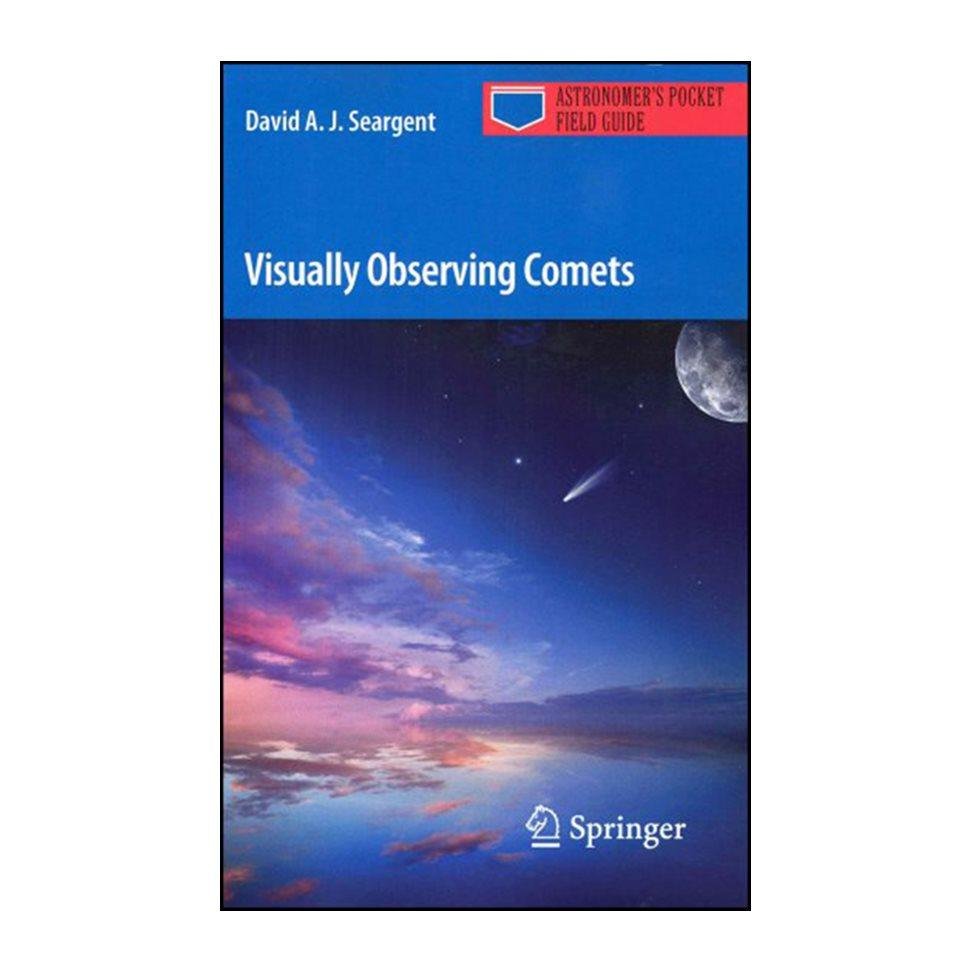
Visually Observing Comets
295 kr
AstroSweden
* Titel: Visually Observing Comets * Författare: David A. J. Seargent * Språk: Engelska * Utgiven: 2017 * Format: Häftad * ISBN: 9781316639931 * Includes suggestions for observing periodic comets in addition to finding new comets * Small trim size and to-the-point text make this ideal for use as an on-the-go-reference * Explains the possibilities for an amateur observer to make a significant contribution to planetary science through comet-spotting In these days of computers and CCD cameras, visual comet observers can still contribute scientifically useful data with the help of this handy reference for use in the field. Comets are one of the principal areas for productive pro-amateur collaboration in astronomy, but finding comets requires a different approach than the observing of more predictable targets. Principally directed toward amateur astronomers who prefer visual observing or who are interested in discovering a new comet or visually monitoring the behavior of known comets, it includes all the advice needed to thrive as a comet observer. After presenting a brief overview of the nature of comets and how we came to the modern understanding of comets, this book details the various types of observations that can usefully be carried out at the eyepiece of a telescope. Subjects range from how to search for new comets to visually estimating the brightness of comets and the length and orientation of tails, in addition to what to look for in comet heads and tails. Details are also given of 20 periodic comets, predicted to return between the years 2017 and 2027, that are expected to become suitable targets for visual observing, in addition to information on a famous comet potentially visible each year and subject to great outbursts of brightness.

Om Köpa.se | info@kopa.se | © 2025 Köpa.se – Alla rättigheter förbehållna. | Ansvarsfriskrivning | Generella tips | Foton från Freedigitalphotos.net eller iStockphoto.