Köpa.se Logo
x
569 056
PRODUKTER
x
1 542
KATEGORIER
The Moon - Resources, Future Development and Settlement

Denna bok utforskar möjligheterna att etablera en mänsklig bosättning på månen. Den behandlar resursutnyttjande, framtida utveckling och de utmaningar som en sådan kolonisering innebär. Boken baseras på de senaste satellitdata och lyfter fram fördelarna med Malapert Mountain som en optimal plats för en första månbas.

289 kr

Böcker
AstroSwedenKöp produkten hos AstroSweden
Liknande produkter
Praxis Manned Spaceflight Log 1961-2006
230 kr
AstroSweden
This flagship work charts a complete chronological log of orbital manned spaceflight. Included are the X-15 "astroflights" of the 1960s, and the two 1961 Mercury and Redstone missions which were non-orbital.Praxis Manned Spaceflight Log 1961-2006, Authors: Furniss Tim, Shayler David, Shayler, Michael D. There is an image depicting each manned spaceflight, and data boxes containing brief biographies of all the space travelers. The main text is a narrative of each mission, its highlights and accomplishments, including the strange facts and humorous stories connected to every mission. The resulting book is a handy reference to all manned spaceflights, the names of astronauts and cosmonauts who flew on each mission, their roles and accomplishments.
Building Habitats on The Moon
449 kr
AstroSweden
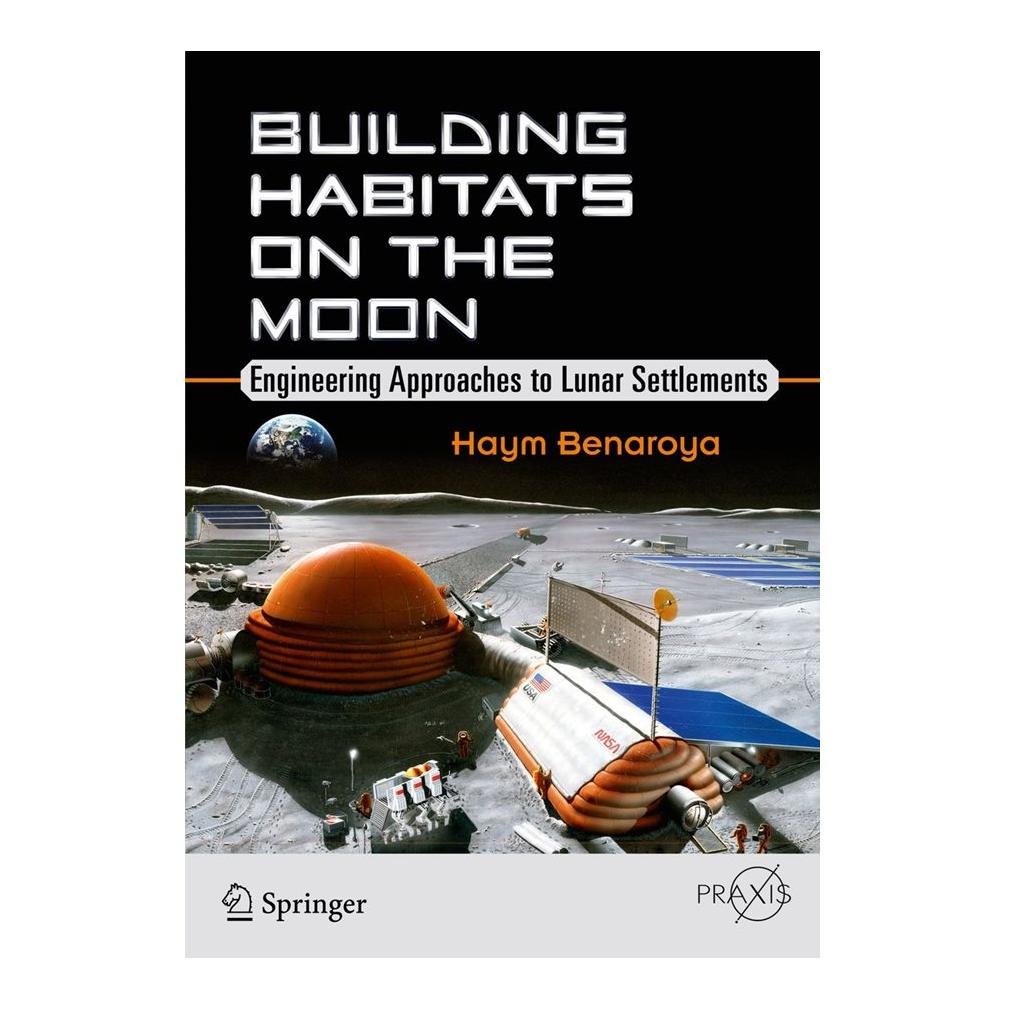
Genomgång av en teoretiskt rimlig tidslinje för bygganden av beboliga strukturer på månen.Building Habitats on the Moon - Författare: Haym Benaroya Designing a habitat for the lunar surface? You will need to know more than structural engineering. There are the effects of meteoroids, radiation, and low gravity. Then there are the psychological and psychosocial aspects of living in close quarters, in a dangerous environment, far away from home. All these must be considered when the habitat is sized, materials specified, and structure designed. This book provides an overview of various concepts for lunar habitats and structural designs and characterizes the lunar environment - the technical and the nontechnical. The designs take into consideration psychological comfort, structural strength against seismic and thermal activity, as well as internal pressurization and 1/6 g. Also discussed are micrometeoroid modeling, risk and redundancy as well as probability and reliability, with an introduction to analytical tools that can be useful in modeling uncertainties. Språk: Engelska
Getting Started in Radio Astronomy
395 kr
AstroSweden
Radio astronomy is a mystery to the majority of amateur astronomers, yet it is the best subject to turn to when desirous of an expanded knowledge of the sky. This guide intends to instruct complete newcomers to radio astronomy, and provides help for the first steps on the road towards the study of this fascinating subject.Getting Started in Radio Astronomy, Author: Steven Arnold In addition to a history of the science behind the pursuit, directions are included for four easy-to-build projects, based around long-term NASA and Stanford Solar Center projects. The first three projects constitute self-contained units available as kits, so there is no need to hunt around for parts. The fourth more advanced project encourages readers to do their own research and track down items. Getting Started in Radio Astronomy provides an overall introduction to listening in on the radio spectrum. With details of equipment that really works, a list of suppliers, lists of online help forums, and written by someone who has actually built and operated the tools described, this book contains everything the newcomer to radio astronomy needs to get going.
Solar System Maps
469 kr
AstroSweden
In recent years, there has been increased interest in our Solar System. This has been prompted by the launching of giant orbiting telescopes and space probes, the discovery of new planetary moons and heavenly bodies that orbit the Sun, and the demotion of Pluto as a planet. In one generation, our place in the heavens has been challenged, but this is not unusual. Throughout history, there have been a number of such world views. Initially, Earth was seen as the center of the universe and surrounded by orbiting planets and stars. Then the Sun became the center of the cosmos. Finally, there was no center, just a vast array of galaxies with individual stars, some with their own retinue of planets. This allowed our Solar System to be differentiated from deep-sky objects, but it didnt lose its mystery as more and more remarkable bodies were discovered within its boundaries.Solar System Maps - From Antiquity to the Space Age, Author: Nick Kanas This book tells the exciting story of how we have conceptualized and mapped our Solar System from antiquity to modern times. In addition to the complete text, this story is made more vivid by: * 162 Solar System and planetary maps, diagrams, and images (over a third in color). * direct quotes and figures from antiquarian, contemporary, and Space Age documents and photographs that allow the reader to track how humans have viewed the Solar System from original sources. * Nine tables that compare the various world views, relative planetary positions, and components of the Solar System with each other. * Broad in scope and rich in imagery, this book will draw the reader into the story of our Solar System and how it has been mapped since the beginning of recorded time.
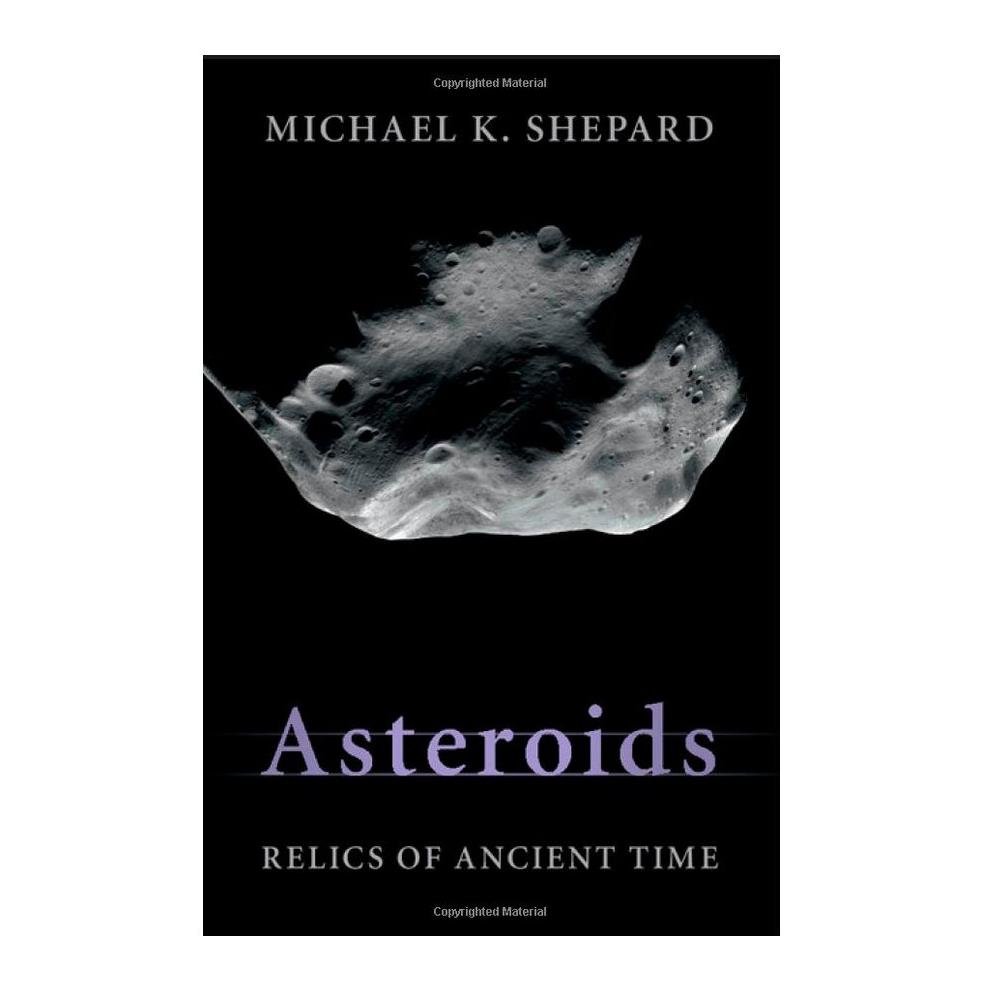
Asteroids - Relics Of Ancient Time
419 kr
AstroSweden
* Titel: Asteroids - Relics of Ancient Time * Författare: Michael A. Covington * Språk: Engelska * Utgiven: 2015 * Format: Inbunden * ISBN: 9781107061446 Asteroids - Relics of Ancient Time Where do asteroids come from and what are they made of? What clues do they hold about the evolution of the Solar System? Scientists have catalogued hundreds of thousands of asteroids, and many are thought to contain water and amino acids, the building blocks of life. Michael K. Shepard tells the fascinating story of their discovery, and what they can tell us about the history of our own planet. He describes how we find and study asteroids, what they look like through the eyes of powerful telescopes and spacecraft, and plans for future sample return missions. This timely book interweaves accessible scientific explanations with historical background and personal narrative, providing an engaging read for anyone curious about asteroids and what they may mean for our future - both as threats and opportunities. * A popular level treatment of the field of asteroid studies, providing background material to people who want to know more about asteroids and their importance to society and science * Illustrated with clear diagrams, tables, and the most recent images from optical and radar telescopes and spacecraft cameras * Includes the latest proposals for discovering and avoiding impacts, mining asteroids, and future asteroid missions
Gemini Flies
449 kr
AstroSweden
The missions of Project Gemini was the pivotal steppingstone between Project Mercury and the Apollo Program. Following the success of its first two unmanned missions and the exploits of Gus Grissom and John Young on Gemini 3, NASA gained the confidence to plan an even bolder step on its next mission, as described in the next book in this series on Gemini 4.Gemini Flies - Historien om NASAs testprogram Gemini som lade grunden för månlandningen - Författare: David J. Shayler In May 1961, President John F. Kennedy committed the United States to landing a man on the moon before the end of the decade. With just a handful of years to pull it off, NASA authorized the Project Gemini space program, which gathered vital knowledge needed to achieve the nation's goal. This book introduces the crucial three-step test program employed by the Gemini system, covering: * The short unmanned orbital flight of Gemini 1 that tested the compatibility of launch vehicle, spacecraft and ground systems. * The unmanned suborbital flight of Gemini 2 to establish the integrity of the reentry system and protective heat shield. * The three-orbit manned evaluation flight of Gemini 3, christened "Molly Brown" by her crew. A mission recalled orbit by orbit, using mission transcripts, post-flight reports and the astronauts' own account of their historic journey. Språk: Engelska
A Question And Answer Guide To Astronomy
349 kr
AstroSweden
Are we alone in the Universe? Was there anything before the Big Bang? Are there other universes? What makes stars shine? Where does Earth's water come from? Why is the night sky dark? Was there ever life on Mars? How do telescopes work?A question and answer guide to astronomy, Authors: Carol Christian, Space Telescope Science Institute, Baltimore ,Jean-René Roy, Gemini Observatory, La Serena, Chile This engaging guide book answers all these questions and hundreds more, making it a practical reference for anyone who has ever wondered what is out in the cosmos, where it all comes from, and how it all works. Richly illustrated in color throughout, it gives simple yet rigorous explanations in non-technical language, summarizing current astronomical knowledge, without overlooking the important underlying scientific principles. This second edition includes substantial new material throughout, including the latest findings from the New Horizons, Rosetta, and Dawn space missions, and images from professional telescopes such as the Hubble Space Telescope and the Atacama Large Millimeter Array.
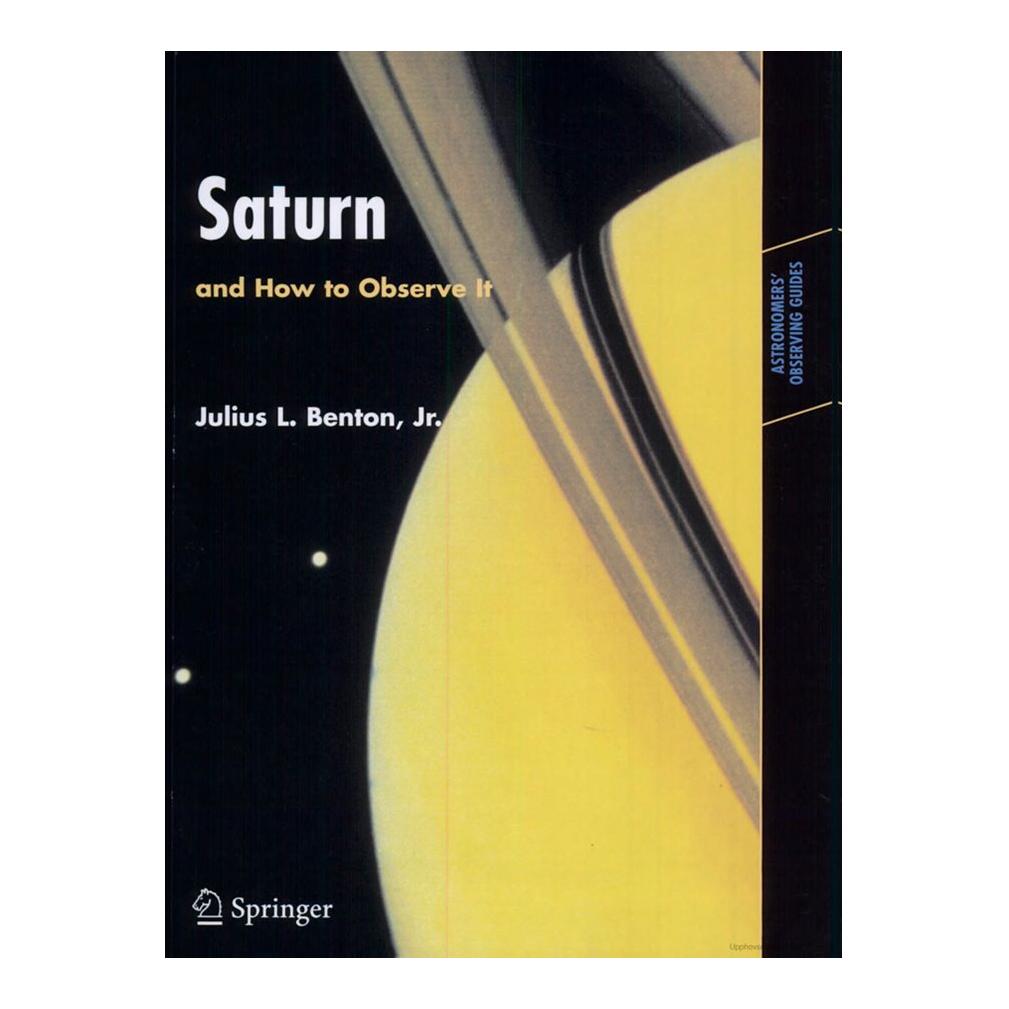
Saturn and How to Observe It
359 kr
AstroSweden
Saturn is the second largest planet in the solar system, and the only one with a spectacular ring system easily visible from Earth. Julius Benton's Saturn and How to Observe It provides a compendium of the latest information, amateur and professional images of Saturn. These images are followed by advice on how to observe Saturn using a variety of telescope apertures, color filters and magnifications. This text is a goldmine of information for all levels of amateur observers, from the beginner to the highly experienced.Saturn and How to Observe It Brought to life by crisp color photographs, Saturn and How to Observe It is a modern comprehensive review of Saturn as a planet and its magnificent ring system. The book includes some of the latest detailed theories and physical descriptions of Saturn and its satellites. The techniques for observing Saturn are outlined in this book, giving the reader a thorough explanation of what they are viewing.
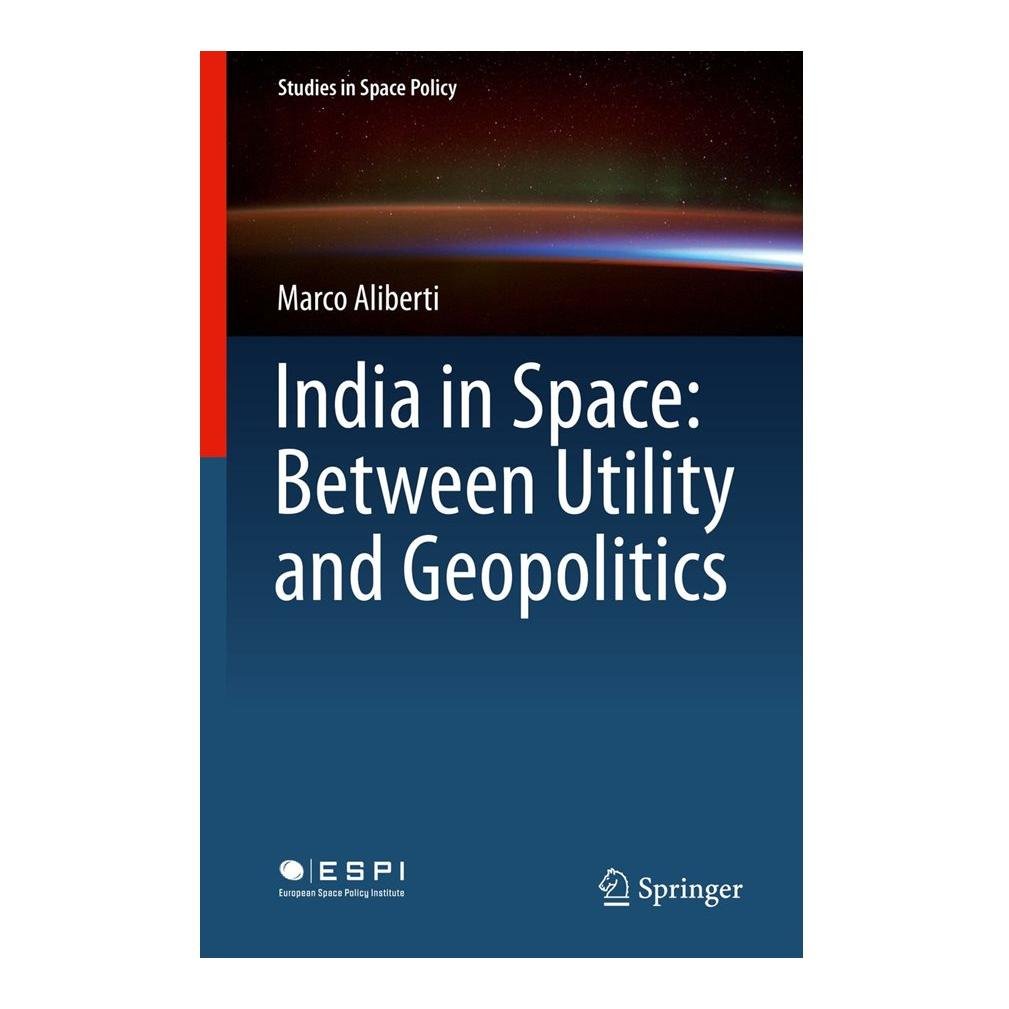
India in Space
1499 kr
AstroSweden
Denna bok ger dig en insiktsfull bedömning av diversifieringen av det Indiska rymdprogrammet.India in Space - Författare: Marco Aliberti This book presents the renewing strategic vision and progressive diversification of the Indian space programme at the nexus socio-economic development, commerce and geopolitics. It disentangles India's evolving rationales for engaging in space from a wide range of perspectives and provides novel and in-depth assessment of the domestic, regional and international factors influencing the pace and directions of the country's space programme. The study hence includes an extensive analysis of India's path forward, including a reflection on the long-term evolution of its civil, military and commercial space efforts, as well as considerations on the toolbox India has at its disposal, on the prospected adaptation of the space ecosystem, and on the implications these evolutions may generate both domestically and internationally. A central part of this final analysis is more specifically devoted to elaborating on the prospects and opportunities for European stakeholders, with the goal of identifying possible domains of closer and mutually beneficial Europe-India space cooperation and sorting out possible elements for a comprehensive European long-term strategy towards India. Språk: Engelska
The Exoplanet Handbook, 2nd Ed
849 kr
AstroSweden
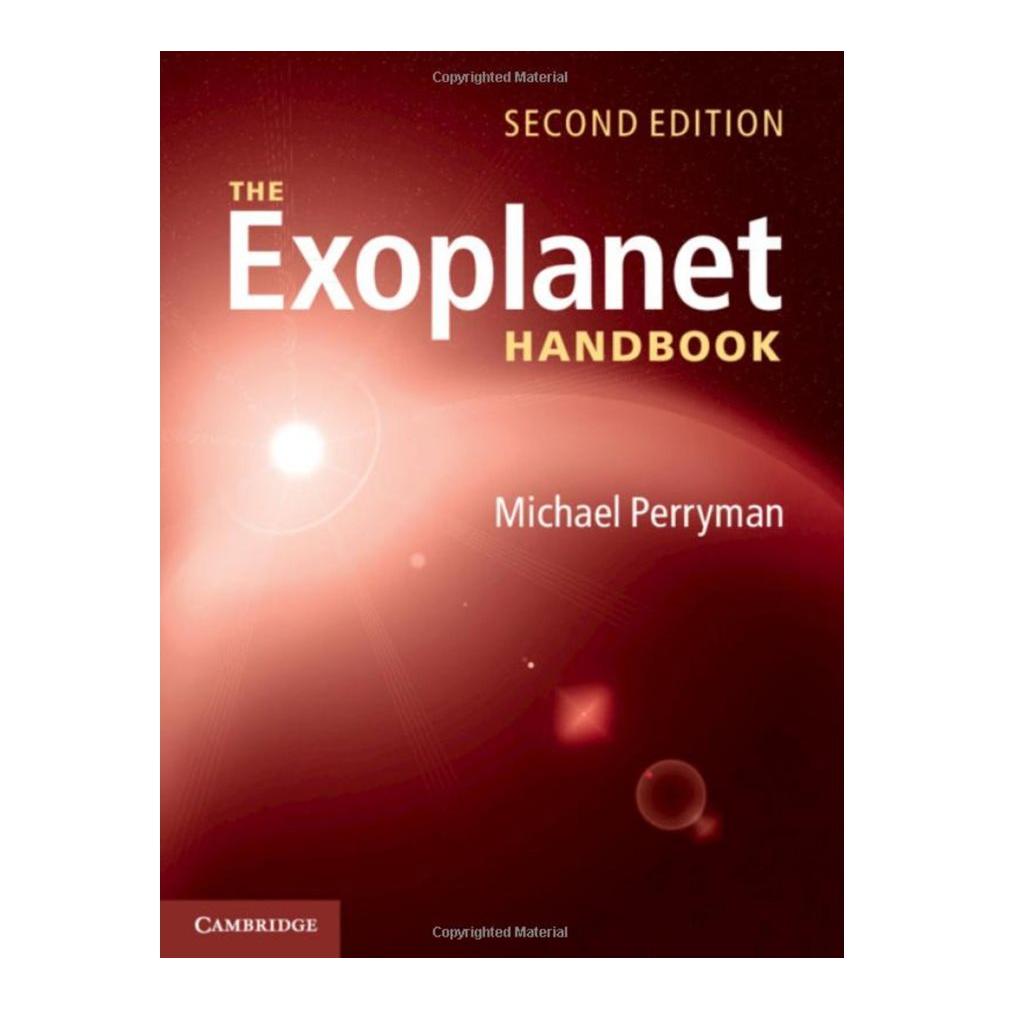
Andra upplagan av boken om Exoplaneter skriven av Michael Perryman. Utgiven 2018.The Exoplanet Handbook, 2nd Edition With the discovery of planets beyond our solar system 25 years ago, exoplanet research has expanded dramatically, with new state-of-the-art ground-based and space-based missions dedicated to their discovery and characterisation. With more than 3,500 exoplanets now known, the complexity of the discovery techniques, observations and physical characterisation have grown exponentially. This Handbook ties all these avenues of research together across a broad range of exoplanet science. Planet formation, exoplanet interiors and atmospheres, and habitability are discussed, providing in-depth coverage of our knowledge to date. Comprehensively updated from the first edition, it includes instrumental and observational developments, in-depth treatment of the new Kepler mission results and hot Jupiter atmospheric studies, and major updates on models of exoplanet formation. With extensive references to the research literature and appendices covering all individual exoplanet discoveries, it is a valuable reference to this exciting field for both incoming and established researchers.
Mysteries and Discoveries of Archaeoastronomy
385 kr
AstroSweden
From Giza to Easter Island. The first complete and authoritative introduction to the young and fascinating science of Archaeoastronomy * Explores the ancients motives in constructing such grandiose buildings as the city of Teotihuacan or the Giza pyramids. * Illustrates how astronomy is key to understanding our ancestors way of thinking. * Uniquely studies the astronomical knowledge of our predecessors by analyzing their monuments. * Contains complete, up-to-date and extensive discussions of the exploration of the shafts in Cheops pyramid. Mysteries and Discoveries of Archaeoastronomy, Authors: Magli, Giulio This complete, authoritative study of the growing discipline of archaeoastronomy examines the role of astronomy in antiquity. Professor Guilio Magli provides a clear, up-to-date survey of current thinking on the motives of the ancients for building fabulous and mysterious monuments all over our planet. Was it an attempt to reproduce the sky on Earth? To bring down the power of the stars to where they could see it, worship it, and use it? The connecting thread is astronomy. Magli uses astronomy as a key to understanding our ancestors way of thinking. It is a challenge he likes to call "predicting the past." The motives of the ancients have often been misconstrued, maligned, or even dismissed. Magli shows the limitations of orthodox archaeology in relation to astronomically based artifacts and tries to understand what led the ancients to construct such magnificent structures as the city of Teotihuacan in the Mexico Valley, the Ceremonial Center of Chaco Canyon in the United States, the Avebury stone circle in Great Britain, and the great pyramids in Egypt. In this book, the reader is taken on a world tour of many wonderful and enigmatic places on almost every continent, in search of traces of astronomical knowledge and lore of the sky. Then, the author discusses the fundamental ideas that he believes led to the construction of the giant monuments. Finally, Magli revisits one place in greater detail Giza in an attempt to provide proof for his ideas on the mindset of ancient cultures. This fascinating book will take you places in time you have never been, and stimulate your imagination in regards to other people and other cultures. The result will be a better understanding of who we are and where we come from.
The far side of the moon
226 kr
AstroSweden
This book is a companion to Byrnes's award-winning Lunar Orbiter Photographic Atlas of the Near Side of the Moon (Springer, 2005). It provides comprehensive coverage of the far side of the Moon, and is the first book that collects photographs from all five Lunar Orbiter missions: Clementine, Apollo, Luna, Zond, and Nozomi. As in the previous book, the scanning artifacts of the Lunar Orbiter photos have been cleaned.The far side of the moon, Authors: Byrne, Charles The photographs show each part of the far side in the most favorable resolution and sun angle. There are many high-altitude oblique photos that provide a feeling of being in space this book is more like a photographic tour of the far side than an atlas. The striking differences between the near and far side have been a major mystery for astronomers but this book suggests an explanation: a massive early impact on the near side produced the Near Side Megabasin an impact so large that its rim is on the far side. The floor of this basin established the canvas for the portrait of the Man in the Moon and its ejecta prepared the far side for the rugged array of basins and craters shown in these photos. Since many professional and amateur astronomers direct their telescopes to the near side of the Moon these photos provide a unique opportunity to become familiar with the far side! The FREE CD included with the book contains all the enhanced and cleaned photographs for screen viewing, lectures, etc.
Digital SLR Astrophotography
529 kr
AstroSweden
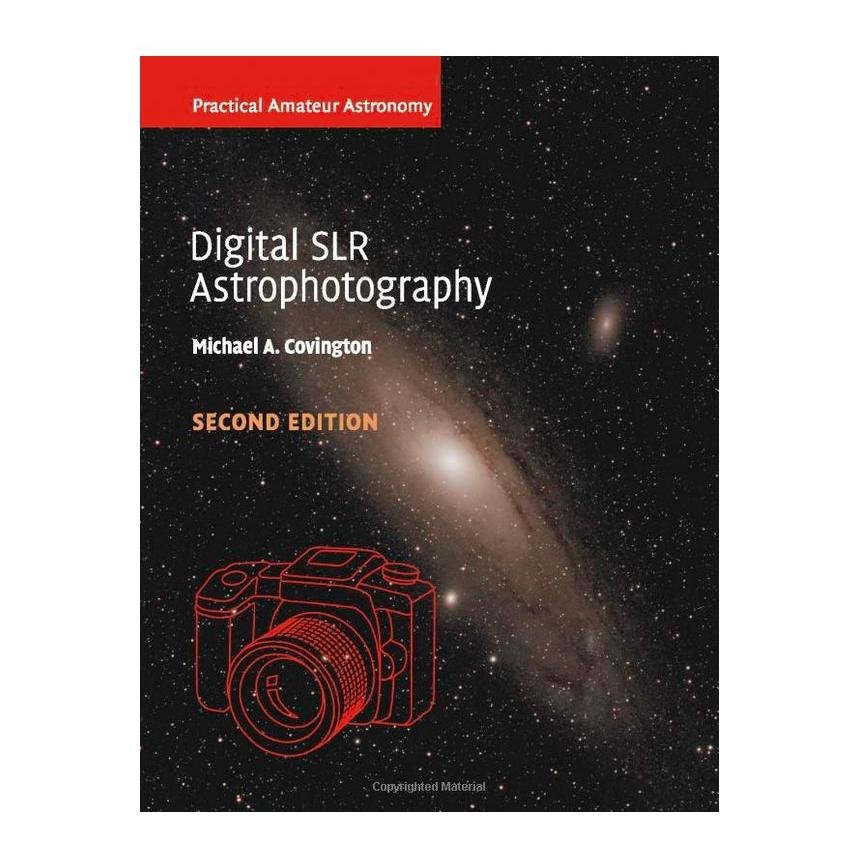
Titel: Digital SLR Astrophotography Författare: Michael A. Covington Språk: Engelska Format: Häftad ISBN: 9781316639931Digital SLR Astrophotography Digital SLR cameras have made it easier than ever before to photograph the night sky. Whether you're a beginner, nature photographer, or serious astronomer, this is the definitive handbook to capturing the heavens. Starting with simple projects for beginners such as cameras on tripods, it then moves onto more advanced projects including telescope photography and methods of astronomical research. With 80% revised and updated material, this new edition covers nightscapes, eclipses, using cameras with sky trackers and telescopes, and tools for identifying celestial objects and investigating them scientifically. Image processing is discussed in detail, with worked examples from three popular software packages - Nebulosity, Maxlm DL, and PixInsight. Rather than taking a recipe-book approach, Covington explains how your equipment works as well as offering advice on many practical considerations, such as choice of set-up and the testing of lenses, making this a comprehensive guide for anyone involved in astrophotography. * Amateurs with affordable, easily portable equipment now get better pictures of the sky than professional observatories did half a century ago * A comprehensive yet accessible handbook providing guidelines for both beginners and experienced astrophotographers * Includes simple projects which can be carried out with just a camera and tripod, as well as more advanced material - up to introductory research-level, for example, variable-star photometry
Dark Nebulae, Dark Lanes, And Dust Belts
369 kr
AstroSweden
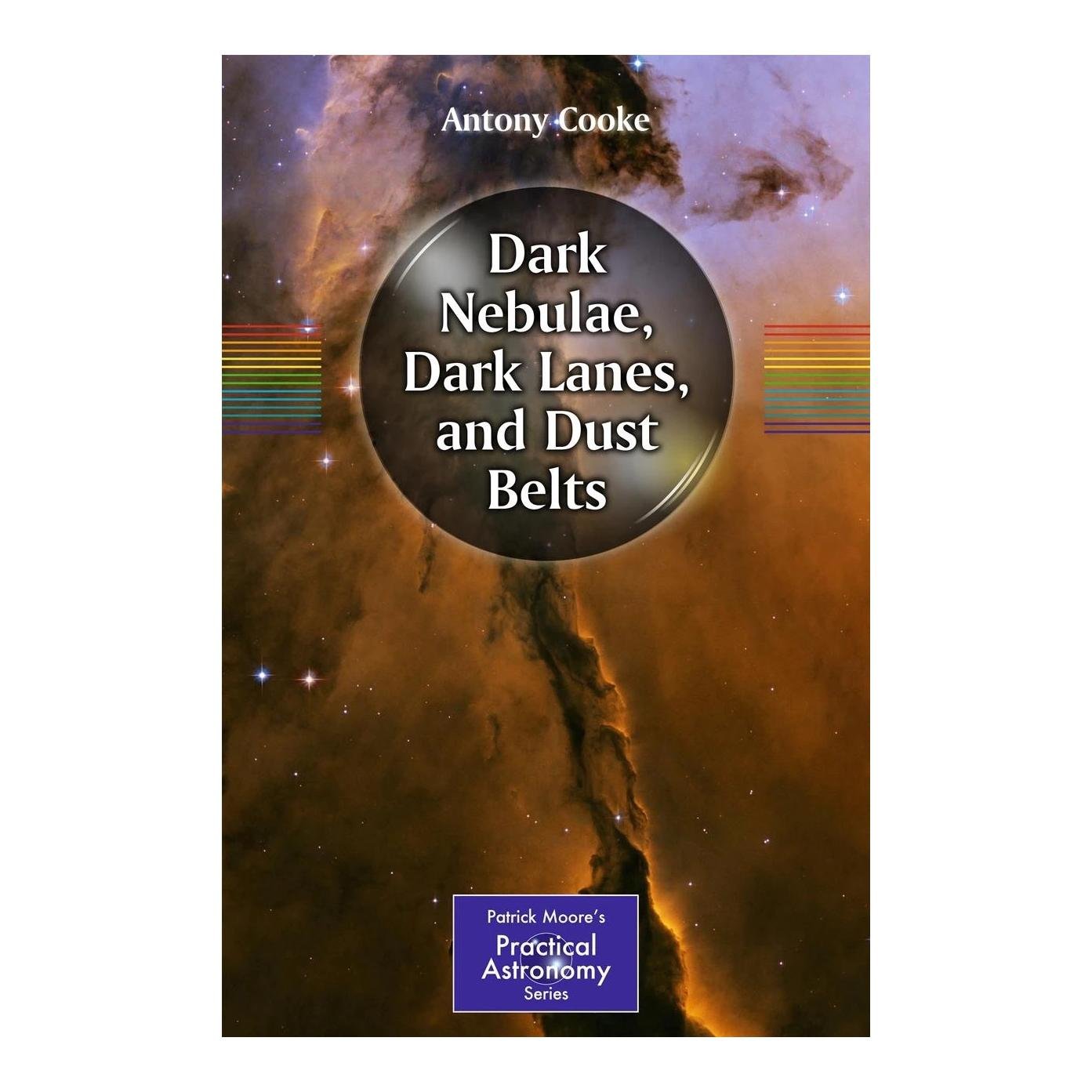
Author: Antony Cooke Serves as the only resource for amateur observers who specifically set out to observe dark features in the deep sky Offers detailed descriptions of how to study dark objects, including recommendations for choosing commercial equipment Shows how practical observations of dark features can be made from suburban (light-polluted) locations Contains numerous helpful individual object descriptions and illustrations
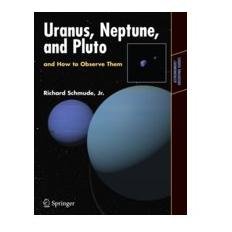
Uranus, Neptune, and Pluto and How to Observe Them
359 kr
AstroSweden
This book tells the story of two giants and a dwarf. The giants, Uranus and Neptune, are mostly huge balls of gas, and they make their home in the remotest reaches of the Solar System. The dwarf, Pluto, which can usually be found even farther out than the two giants, was always small, but up until a short while ago, it enjoyed the same status as the other planets, a full-fledged member of the Solar System. Today, Pluto has been re-classified as a "dwarf planet."Uranus, Neptune, and Pluto and How to Observe Them, Authors: Schmude, Jr., Richard In this clear and succinct overview of the current research on these remote Solar System objects, Richard Schmude, Jr., tells us what facts we do know about these faraway entities, what we are seeking to know, and also how to observe them for yourself, using commercially available telescopes. He also explains why Pluto was re-classified and what it means, exactly, to be a dwarf planet. Intrigued by these objects since boyhood, Schmude has compiled a loving tribute to them, if not making them warm and fuzzy, at least making them seem less remote and bringing them into our current frame of reference, giving them personality and revealing their worth in our understanding of the structure and nature of the Solar System in which we live. Richard Schmude 2008, XII, 232 p. 9 illus. in color.

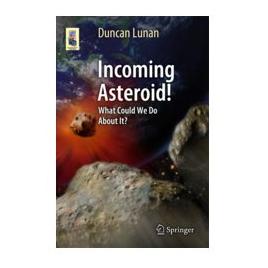
Incoming Asteroid!
329 kr
AstroSweden
Lately there have been more and more news stories on objects from space such as asteroids, comets, and meteors whizzing past Earth. One even exploded in the atmosphere over a Russian city in 2012, causing real damage and injuries. Impacts are not uncommon in our Solar System, even on Earth, and people are beginning to realize that we must prepare for such an event here on Earth.Incoming Asteroid - What Could We Do About It?, Author: Duncan Lunan What if we knew there was going to be an impact in 10 years time? What could we do? Its not so far in the future that we can ignore the threat, and not so soon that nothing could be done. The author and his colleagues set out to explore how they could turn aside a rock asteroid, one kilometer in diameter, within this 10-year timescale. Having set themselves this challenge, they identified the steps that might be taken, using technologies that are currently under development or proposed. They considered an unmanned mission, a follow-up manned mission, and a range of final options, along with ways to reduce the worst consequences for humanity if the impact cannot be prevented. With more warning, the techniques described could be adapted to deal with more severe threats. If successful, they can generate the capability for a much expanded human presence in space thereafter. With the dangers now beginning to be recognized internationally and with major new programs already in motion, the prospects for civilization and humanity, in relation to the danger of impacts, look much more hopeful than they did only a decade ago.

Om Köpa.se | info@kopa.se | © 2025 Köpa.se – Alla rättigheter förbehållna. | Ansvarsfriskrivning | Generella tips | Foton från Freedigitalphotos.net eller iStockphoto.