Köpa.se Logo
x
569 056
PRODUKTER
x
1 542
KATEGORIER
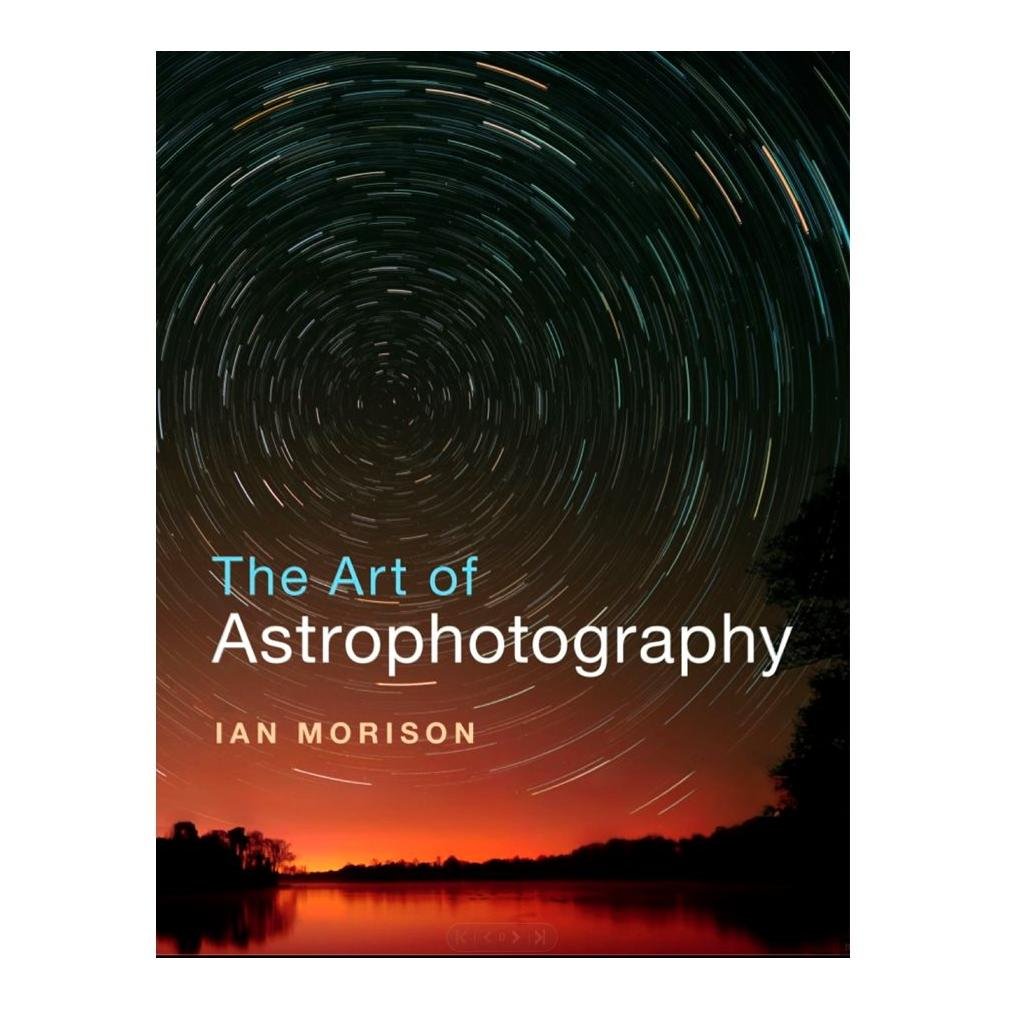
The Art of Astrophotography

Denna bok ger dig grunderna i hur du tar vackra bilder av himlakroppar. Den täcker allt från månen och planeter till stjärnhopar och galaxer. Med hjälp av tydliga exempel och projekt lär du dig att fånga och bearbeta fantastiska astronomiska bilder.

599 kr

Böcker
Pysselböcker
AstroSwedenKöp produkten hos AstroSweden
Liknande produkter
A Question And Answer Guide To Astronomy
349 kr
AstroSweden
Are we alone in the Universe? Was there anything before the Big Bang? Are there other universes? What makes stars shine? Where does Earth's water come from? Why is the night sky dark? Was there ever life on Mars? How do telescopes work?A question and answer guide to astronomy, Authors: Carol Christian, Space Telescope Science Institute, Baltimore ,Jean-René Roy, Gemini Observatory, La Serena, Chile This engaging guide book answers all these questions and hundreds more, making it a practical reference for anyone who has ever wondered what is out in the cosmos, where it all comes from, and how it all works. Richly illustrated in color throughout, it gives simple yet rigorous explanations in non-technical language, summarizing current astronomical knowledge, without overlooking the important underlying scientific principles. This second edition includes substantial new material throughout, including the latest findings from the New Horizons, Rosetta, and Dawn space missions, and images from professional telescopes such as the Hubble Space Telescope and the Atacama Large Millimeter Array.
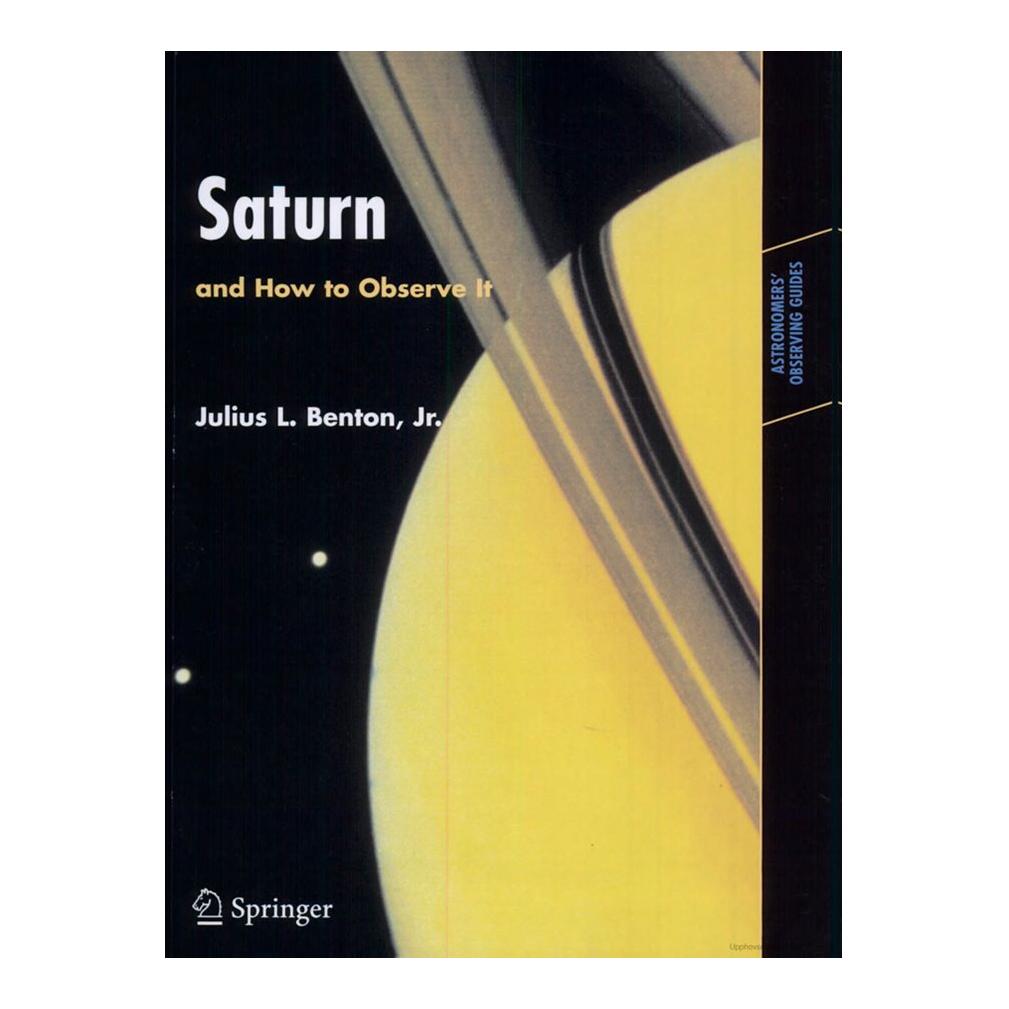
Saturn and How to Observe It
359 kr
AstroSweden
Saturn is the second largest planet in the solar system, and the only one with a spectacular ring system easily visible from Earth. Julius Benton's Saturn and How to Observe It provides a compendium of the latest information, amateur and professional images of Saturn. These images are followed by advice on how to observe Saturn using a variety of telescope apertures, color filters and magnifications. This text is a goldmine of information for all levels of amateur observers, from the beginner to the highly experienced.Saturn and How to Observe It Brought to life by crisp color photographs, Saturn and How to Observe It is a modern comprehensive review of Saturn as a planet and its magnificent ring system. The book includes some of the latest detailed theories and physical descriptions of Saturn and its satellites. The techniques for observing Saturn are outlined in this book, giving the reader a thorough explanation of what they are viewing.
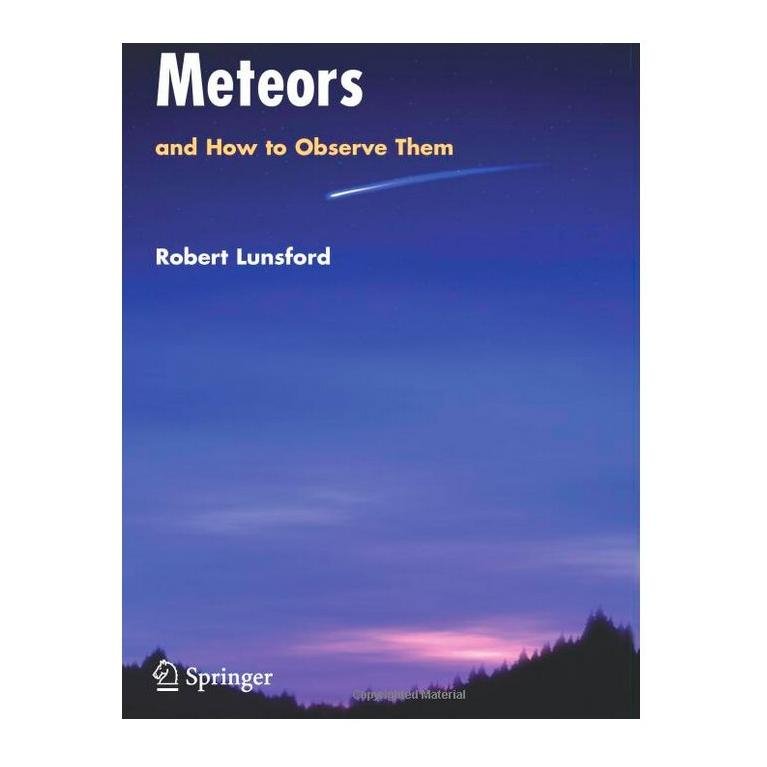
Meteors and How to Observe Them
420 kr
AstroSweden
Titel: Meteors and How to Observe Them Författare: Robert Lunsford Språk: Engelska Utgiven: 2009 Format: Häftad ISBN: 9780387094601Meteors and How to Observe Them * Explains what meteors and meteroids are * Provides necessary expertise in observing meteors * Enables the observer to plan meteor shower “expeditions” well into the future * Enables observers to produce scientifically useful data * Provides contacts with other individuals and groups devoted to viewing meteor showers ASTRONOMERS’ OBSERVING GUIDES provide up-to-date information for amateur astronomers who want to know all about what it is they are observing. This is the basis of the first part of the book. The second part details observing techniques for practical astronomers, working with a range of different instruments. Have you ever been on the beach at night, watching the sky overhead, and seen streaks of light against the background of stars? Though many people still refer to these as shooting stars, they are, of course, not stars. They are meteors—small chunks of rock and ice debris from disintegrating comets that are careening through our Solar System and sometimes enter Earth’s atmosphere. Most are so small that they burn up as they enter the atmosphere. These are called meteors. In a meteor shower, many meteors can be seen streaking across the sky in a short time. A few meteors make it through intact and descend to Earth as meteorites. Watching these beautiful streaks of light in the sky can be an exciting pastime, and it can result in some important science. Robert Lunsford explains what meteors are, where they come from, and what happens to them as they whiz through space and enter our atmosphere. He tells how to observe meteors and meteor showers, what equipment to use, what you should look for, where you should look, and much more. Armed with the information in this book and with very little effort and equipment, you can begin your regular search of the heavens right now and join the ranks of those who have made this rewarding pastime a lifetime hobby.
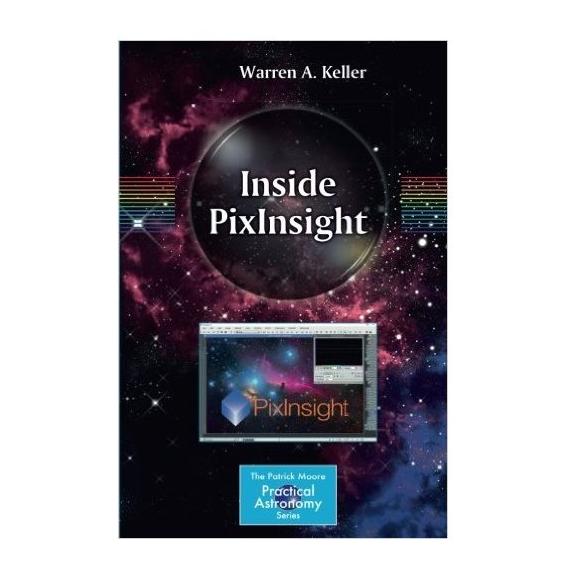
Inside PixInsight
340 kr
AstroSweden
In this book, Warren Keller reveals the secrets of astro-image processing software PixInsight in a practical and easy to follow manner, allowing the reader to produce stunning astrophotographs from even mediocre data.Inside Pixinsight av Warren A. Keller As the first comprehensive post-processing platform to be created by astro-imagers for astro-imagers, it has for many, replaced the generic graphics editors as the software of choice. With clear instructions from Keller, astrophotographers can get the most from its tools to create amazing images. Capable of complex post-processing routines, PixInsight is also an advanced pre-processing software, through which astrophotographers calibrate and stack their exposures into completed master files. Although it is extremely powerful, PixInsight has been inadequately documented in print--until now. With screenshots to help illustrate the process, it is a vital guide.
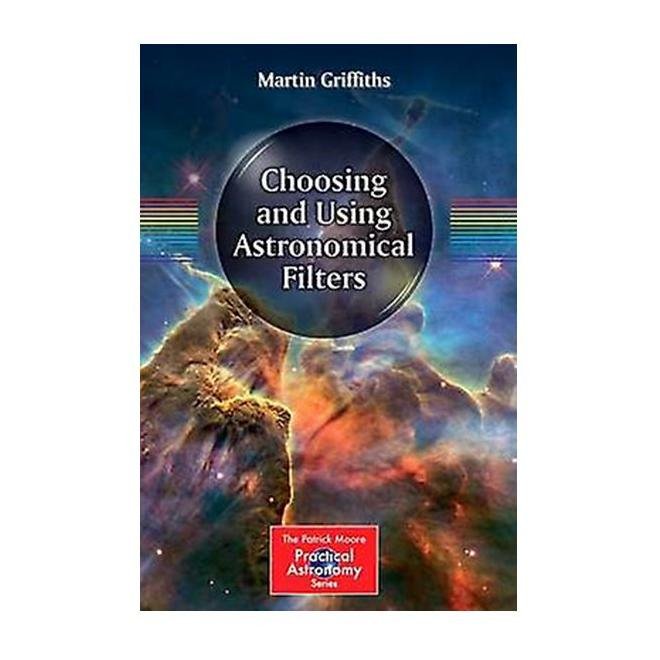
Choosing And Using Astronomical Filters
380 kr
AstroSweden
Titel: Choosing and Using Astronomical Filters Författare: Martin Griffiths Språk: Engelska Utgiven: 2015 Format: Häftad ISBN: 9781493910434Choosing and Using Astronomical Filters * Provides an in-depth look at the telescope accessories known as astronomical filters * Includes the history of different types of filters, their uses and specialist techniques * Features a basic guide to using Adobe Photoshop to further enhance images * Includes an observational guide to 100 astronomical objects that you can see better with filters, personally imaged by the author As a casual read through any of the major amateur astronomical magazines will demonstrate, there are filters available for all aspects of optical astronomy. This book provides a ready resource on the use of the following filters, among others, for observational astronomy or for imaging: * Light pollution filters * Planetary filters * Solar filters * Neutral density filters for Moon observation * Deep-sky filters, for such objects as galaxies, nebulae, and more Deep-sky objects can be imaged in much greater detail than was possible many years ago. Amateur astronomers can take photographs that rival those of professional observatories! The ability to do this has been brought about by the revolution in CCD cameras and improved filters. The book pinpoints which astronomical objects are best observed with which filters. Post-processing (using Photoshop) is also discussed, since it is helpful in further improving filtered astro images. The last part of the book is an observational guide to 100 deep sky objects that benefit from the use of filters – all personally observed by the author – with notes on the filters used (or potentially of use) in their observation and imaging. There are also notes on their celestial coordinates, magnitudes, and other pertinent information.
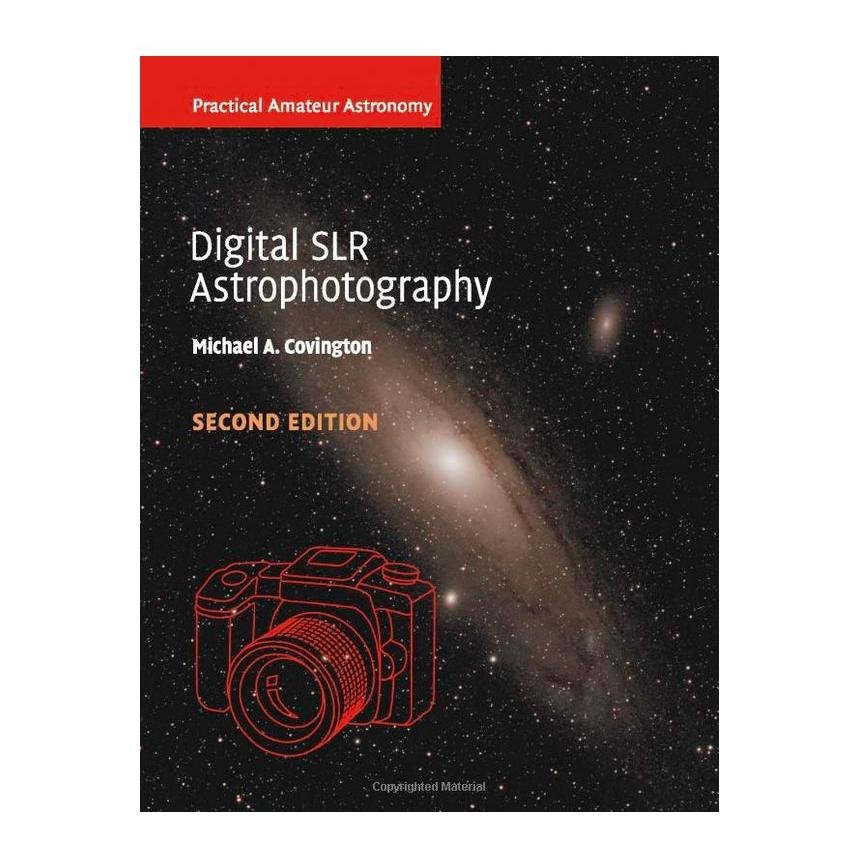
Digital SLR Astrophotography
529 kr
AstroSweden
Titel: Digital SLR Astrophotography Författare: Michael A. Covington Språk: Engelska Format: Häftad ISBN: 9781316639931Digital SLR Astrophotography Digital SLR cameras have made it easier than ever before to photograph the night sky. Whether you're a beginner, nature photographer, or serious astronomer, this is the definitive handbook to capturing the heavens. Starting with simple projects for beginners such as cameras on tripods, it then moves onto more advanced projects including telescope photography and methods of astronomical research. With 80% revised and updated material, this new edition covers nightscapes, eclipses, using cameras with sky trackers and telescopes, and tools for identifying celestial objects and investigating them scientifically. Image processing is discussed in detail, with worked examples from three popular software packages - Nebulosity, Maxlm DL, and PixInsight. Rather than taking a recipe-book approach, Covington explains how your equipment works as well as offering advice on many practical considerations, such as choice of set-up and the testing of lenses, making this a comprehensive guide for anyone involved in astrophotography. * Amateurs with affordable, easily portable equipment now get better pictures of the sky than professional observatories did half a century ago * A comprehensive yet accessible handbook providing guidelines for both beginners and experienced astrophotographers * Includes simple projects which can be carried out with just a camera and tripod, as well as more advanced material - up to introductory research-level, for example, variable-star photometry
The far side of the moon
226 kr
AstroSweden
This book is a companion to Byrnes's award-winning Lunar Orbiter Photographic Atlas of the Near Side of the Moon (Springer, 2005). It provides comprehensive coverage of the far side of the Moon, and is the first book that collects photographs from all five Lunar Orbiter missions: Clementine, Apollo, Luna, Zond, and Nozomi. As in the previous book, the scanning artifacts of the Lunar Orbiter photos have been cleaned.The far side of the moon, Authors: Byrne, Charles The photographs show each part of the far side in the most favorable resolution and sun angle. There are many high-altitude oblique photos that provide a feeling of being in space this book is more like a photographic tour of the far side than an atlas. The striking differences between the near and far side have been a major mystery for astronomers but this book suggests an explanation: a massive early impact on the near side produced the Near Side Megabasin an impact so large that its rim is on the far side. The floor of this basin established the canvas for the portrait of the Man in the Moon and its ejecta prepared the far side for the rugged array of basins and craters shown in these photos. Since many professional and amateur astronomers direct their telescopes to the near side of the Moon these photos provide a unique opportunity to become familiar with the far side! The FREE CD included with the book contains all the enhanced and cleaned photographs for screen viewing, lectures, etc.
Astronomy For Older Eyes
419 kr
AstroSweden
This book is for the aging amateur astronomy population, including newcomers to astronomy in their retirement and hobbyists who loved peering through a telescope as a child.Astronomy for Older Eyes Author: James L. Chen, Adam (ILT) Chen, James L. Chen Whether a novice or an experienced observer, the practice of astronomy differs over the years. This guide will extend the enjoyment of astronomy well into the Golden Years by addressing topics such as eye and overall health issues, recommendations on telescope equipment, and astronomy-related social activities especially suited for seniors. Many Baby-Boomers reaching retirement age are seeking new activities, and amateur astronomy is a perfect fit as a leisure time activity. Established backyard astronomers who began their love of astronomy in their youth, meanwhile, may face many physical and mental challenges in continuing their lifelong hobby as they age beyond their 55th birthdays. That perfect telescope purchased when they were thirty years old now suddenly at sixty years old feels like an immovable object in the living room. The 20/20 eyesight has given way to reading glasses or bifocals. Treasured eyepieces feel all wrong. Growing old is a natural process of life, but astronomy is timeless.With a little knowledge and some lifestyle adjustments, older astronomers can still enjoy backyard observing well into their seventies, eighties and even into their nineties.
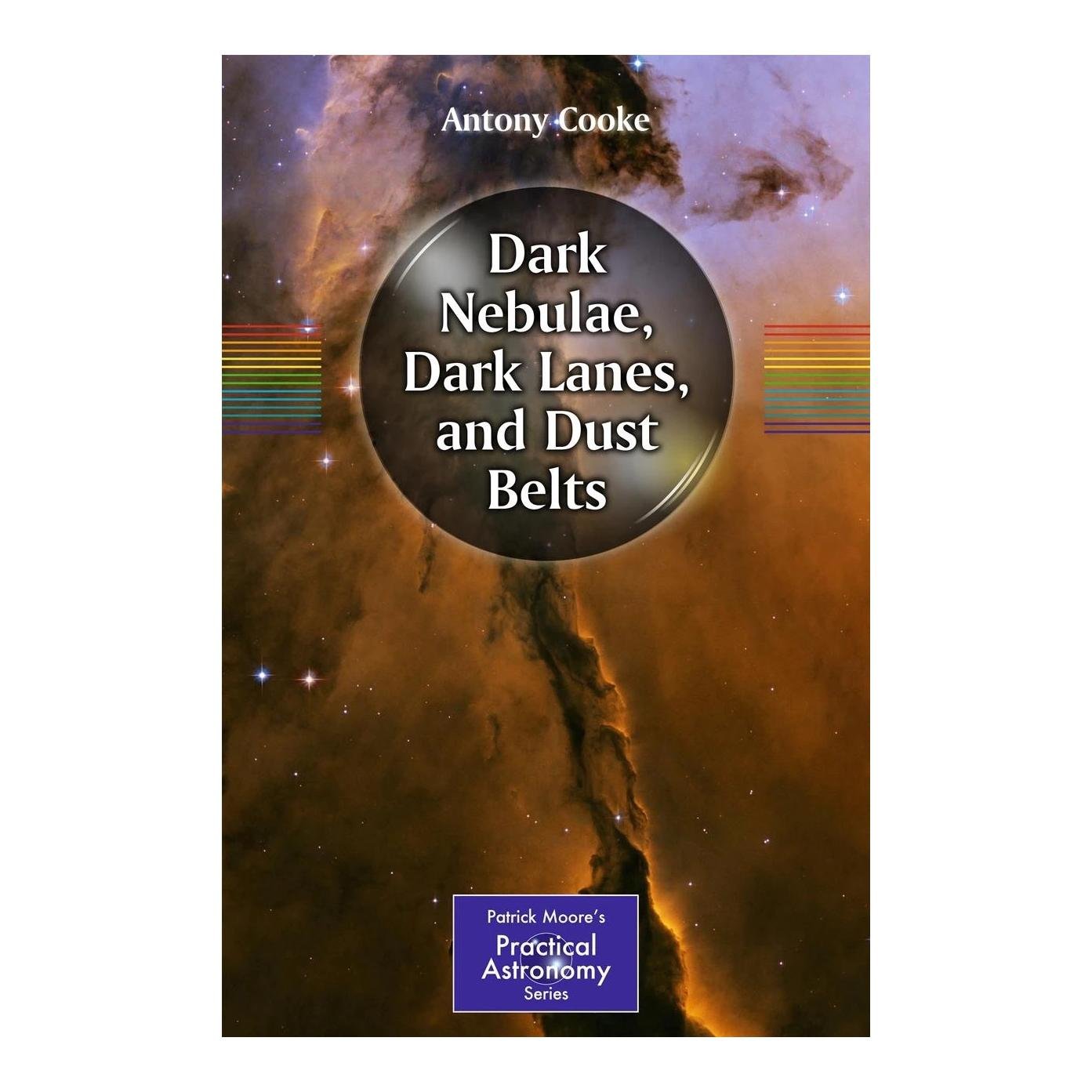
Dark Nebulae, Dark Lanes, And Dust Belts
369 kr
AstroSweden
Author: Antony Cooke Serves as the only resource for amateur observers who specifically set out to observe dark features in the deep sky Offers detailed descriptions of how to study dark objects, including recommendations for choosing commercial equipment Shows how practical observations of dark features can be made from suburban (light-polluted) locations Contains numerous helpful individual object descriptions and illustrations
Star Clusters
415 kr
AstroSweden
* Provides the perfect guide for observing in the field with binoculars or a telescope. * Enables observing sessions to be planned in advance. * Objects are organized by season, making the book much easier to use. * Contains core information about the target star clusters. * Features superb digital images for every object. * Full-page finder charts make it easy to locate the target clusters. Star Clusters, Authors: Cardona III, Charles A. Star clusters are some of the most beautiful objects in the night sky and are prime targets for observational astronomers as well as astrophotographers. Using some of the newer technologies and larger and more powerful telescopes available today to amateur astronomers, many more of these dazzling groupings of stars can now be located and viewed throughout the year. In this field guide that will help you to decide what to look for and where to look for it, as well as what equipment to use, you will find what you need, whether you are a beginner in the field or an experienced observer. So on the next clear night, take your book and your binoculars or telescope and maybe your camera outside and see what new wonders can be revealed to you. You wont be disappointed!
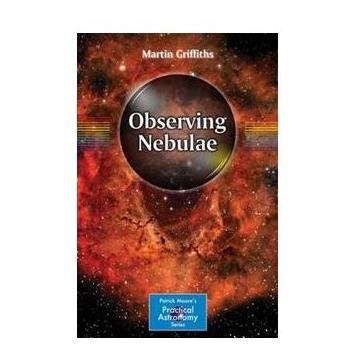
Observing Nebulae
399 kr
AstroSweden
Guides observers to the best nebulous objects in the night sky from any latitude, including the incorporation of numerous Southern Hemisphere objects Authored by a recipient of the "Master Observer Award" of the Astronomical League, who is extremely familiar with the instrumentation needed to view and image nebulae as well as having a deep understanding of their properties Contains many stunning pictures illustrating the beautiful and multi-colored nebulae of the Milky Way Observing Nebulae This book enables anyone with suitable instruments to undertake an examination of nebulae and see or photograph them in detail. Nebulae, ethereal clouds of gas and dust, are among the most beautiful objects to view in the night sky. These star-forming regions are a common target for observers and photographers. Griffiths describes many of the brightest and best nebulae and includes some challenges for the more experienced observer. Readers learn the many interesting astrophysical properties of these clouds, which are an important subject of study in astronomy and astrobiology. Non-mathematical in approach, the text is easily accessible to anyone with an interest in the subject. A special feature is the inclusion of an observational guide to 70 objects personally observed or imaged by the author. The guide also includes photographs of each object for ease of identification along with their celestial coordinates, magnitudes and other pertinent information. Observing Nebulae provides a ready resource to allow anyone with a little experience in astronomy, whether professional or amateur, to locate, identify and record the nebulae in our home galaxy. The author enables the observer to use a telescope and filters to the best advantage to see these celestial wonders, or to couple filters to a CCD camera or digital SLR camera in order to take quality images of celestial objects. By using these techniques it is even possible to make a valid contribution to professional investigations. And the views are unbeatable.
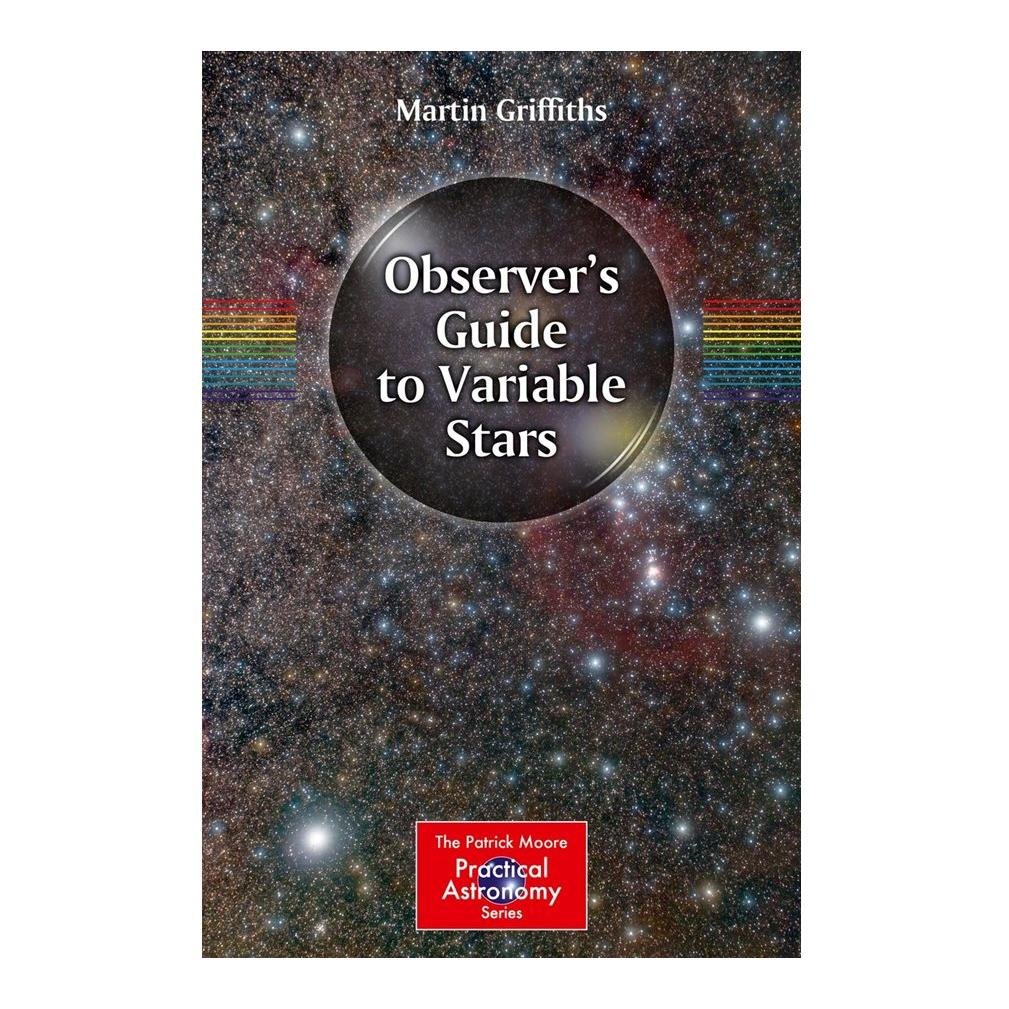
Observer's Guide To Variable Stars
292 kr
AstroSweden
Provides a one-stop shop for the amateur variable star observer. Features chapters on binocular variable stars and photometric study of variable stars, topics that have not been addressed in most other amateur astronomy books. Uses non-mathematical language that is easily accessible to anyone with a general interest in astronomy. Provides basic and advanced information for an activity many amateur astronomers pursue once they have developed some skills in deep sky observing This book contains everything you need to know about variable stars -- stars whose brightness varies noticeably over time. The study of variable stars has been a particularly popular area of research for amateurs for many years; the material contained herein serves as both an introduction to amateur astronomers and a useful reference source for seasoned variable star observers.  With its thorough, non-mathematical descriptions of variable stars and tips for how to see them, this book enables novices and experts alike to set off into the field and observe a wide range of delightful sights. It strikes a balance between easily visible objects that can be seen in any telescope or binoculars, and variable stars that are a direct challenge to those with large aperture equipment or access to photometric tools and methods. After helping the observer differentiate between variable star types, the author goes on to explain the skills needed to operate a telescope and other equipment, as well as how to couple filters to a CCD camera or digital SLR camera in order to photometrically record these celestial objects. Further, the book includes an observational guide to 50 objects for study, with finder charts and data about light curves for ease of identification, along with the stars’ celestial coordinates, magnitudes, and other pertinent information.
Total Solar Eclipses and How to Observe Them
355 kr
AstroSweden
Every total solar eclipse sees cruise ships or coach convoys, and frequently both, conveying to thousands of observers the narrow umbral track, where they can witness this rare and beautiful astronomical event, weather permitting. But for each total solar eclipse you get just a few minutes (or seconds) to make the most of the spectacle, savor it visually, and record the event.Total Solar Eclipses and How to Observe Them, Authors: Mobberley, Martin * Describes the astronomy, science and physics of total solar eclipses, and the phenomena that can be observed only during a total eclipse. * Enables members of the growing community of eclipse chasers to ensure that they have with them all the right equipment to observe or image a total solar eclipse. * Describes what to expect during a total solar eclipse, in different conditions and in different locations. * Describes previous eclipse expeditions, including a look at the less serious side: eclipse expedition disasters. * Provides a checklist of where to go to see total solar eclipses for the next 15 years. Every total solar eclipse sees cruise ships or coach convoys, and frequently both, conveying to thousands of observers the narrow umbral track, where they can witness this rare and beautiful astronomical event, weather permitting. But for each total solar eclipse you get just a few minutes (or seconds) to make the most of the spectacle, savor it visually, and record the event. You have to get it right first time, which is where Total Solar Eclipses and How to Observe Them comes in. Here is all the information an eclipse chaser needs to ensure a trouble-free expedition. Martin Mobberley explains how to avoid equipment and set-up errors thousands of miles from home, advises on the right equipment to buy for observing and digital SLR imaging, and explains the crucial points to address when traveling abroad with astronomical equipment. The first part of the book contains a wealth of information about total solar eclipses themselves: how and why they happen, related physics of the Sun, the alignment geometries, and, of course, the astronomical features that can only be witnessed when our Moon precisely covers the solar disk.

Astrophotography Is Easy!
250 kr
AstroSweden
Titel: Astrophotography is Easy! Författare: Gregory I. Redfern Språk: Engelska Utgiven: 2020 Format: Häftad ISBN: 9783030459420Astrophotography is Easy! * Focuses on true beginners in astrophotography, assuming no prior knowledge of the subject * Covers the scientific background, necessary equipment, and field techniques for photographing the sky * Avoids overly technical material in favor of a casual, reader-friendly guide There are many books covering different facets of astrophotography, but few of them contain all the necessary steps for beginners in one accessible place. Astrophotography is Easy! fills that void, serving as a guide to anybody interested in the subject but starting totally from scratch. Assuming no prior experience, the author runs through the basics for how to take astrophotos using just a camera—including cell phones and tablets—as well as a telescope and more sophisticated equipment. The book includes proven techniques, checklists, safety guidelines, troubleshooting tips, and more. Each chapter builds upon the last, allowing readers to master basic techniques before moving on to more challenging material. Also included is a comprehensive list of additional books and resources on a variety of topics so readers can continue expanding their skills. Astrophotography Is Easy! doesn’t simply teach you the basic skills for becoming an astrophotographer: it provides you with the foundations you will need for a lifelong pursuit.
Finding a Million-Star Hotel
285 kr
AstroSweden
* Mizon, a well-known expert on light pollution, offers insider advice on the best dark sky sites * Includes photographs of some of the best astrophotographers * Encourages amateur astronomers to travel to protected observing locations with practical tips for how to observe once they are there Finding a Million-Star Hotel, author: Mizon, Bob Bob Mizon, one of the world's best known campaigners against the veil of light pollution that has taken away the starry sky from most of the world's population, takes readers to a hundred places in the UK and the USA where the wonders of the night sky might still be enjoyed in perfect or near-perfect night skies. Visiting small hotels and simple campsites, and savoring vast dark-sky reserves where the night sky is actively protected, The Million-Star Hotel celebrates the black skies of yesteryear – which may become a reality for more and more of us as modern technology reins in lighting and puts it only where needed. How can you prepare for your stay beneath the stars? What astronomy can you do during the daytime? What kind of equipment will you need? Questions such as these are answered, and if town dwellers return inspired – and, Bob hopes, also inspired to look with fresh eyes at their own local lighting – there is enough information here for them to equip themselves for some urban astronomy too.
Radio and Radar Astronomy Projects for Beginners
315 kr
AstroSweden
A nontechnical, nonmathematical primer on amateur radio astronomy. Includes 4 new amateur projects, including bouncing a signal off the moon, detecting the aurora, ISS, and more. Offers expanded resources for the interested reader.

Om Köpa.se | info@kopa.se | © 2025 Köpa.se – Alla rättigheter förbehållna. | Ansvarsfriskrivning | Generella tips | Foton från Freedigitalphotos.net eller iStockphoto.