Köpa.se Logo
x
569 056
PRODUKTER
x
1 542
KATEGORIER
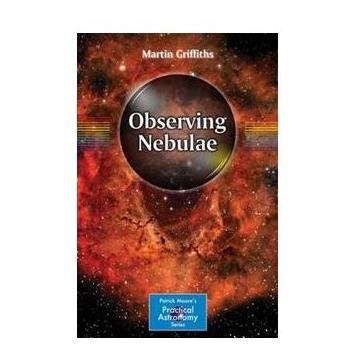
Observing Nebulae

Denna bok guidar läsaren till de vackraste nebulosorna på natthimlen, oavsett var man befinner sig. Den innehåller fantastiska bilder och beskriver hur man kan observera och fotografera dessa himlafenomen.

399 kr

Böcker
Astronomi
AstroSwedenKöp produkten hos AstroSweden
Liknande produkter
Uranus, Neptune, and Pluto and How to Observe Them
359 kr
AstroSweden
This book tells the story of two giants and a dwarf. The giants, Uranus and Neptune, are mostly huge balls of gas, and they make their home in the remotest reaches of the Solar System. The dwarf, Pluto, which can usually be found even farther out than the two giants, was always small, but up until a short while ago, it enjoyed the same status as the other planets, a full-fledged member of the Solar System. Today, Pluto has been re-classified as a "dwarf planet."Uranus, Neptune, and Pluto and How to Observe Them, Authors: Schmude, Jr., Richard In this clear and succinct overview of the current research on these remote Solar System objects, Richard Schmude, Jr., tells us what facts we do know about these faraway entities, what we are seeking to know, and also how to observe them for yourself, using commercially available telescopes. He also explains why Pluto was re-classified and what it means, exactly, to be a dwarf planet. Intrigued by these objects since boyhood, Schmude has compiled a loving tribute to them, if not making them warm and fuzzy, at least making them seem less remote and bringing them into our current frame of reference, giving them personality and revealing their worth in our understanding of the structure and nature of the Solar System in which we live. Richard Schmude 2008, XII, 232 p. 9 illus. in color.

Aurora - Observing And Recording Natures Spectacular Light Show
230 kr
AstroSweden
The uniquely beautiful light display of an aurora is the result of charged particles colliding with tenuous atmospheric oxygen and nitrogen, more than 60 miles above the Earth, when the magnetosphere is disturbed by changes in the solar wind.Aurora - Observing and Recording Nature's Spectacular Light Show, Authors: Bone, Neil Often - and incorrectly - regarded as being confined to high northern and southern latitudes, major auroral displays are visible from even the southern USA and the south of England, and occur perhaps twenty times in each eleven-year sunspot cycle. Major auroral storms always cause great interest and excitement in the media, and of course provide practical astronomers with the opportunity to study and image them. This book describes the aurora from the amateur observational viewpoint, discusses professional studies of auroral and geomagnetic phenomena to put amateur work in context, and explains how practical observers can go about observing and recording auroral displays.
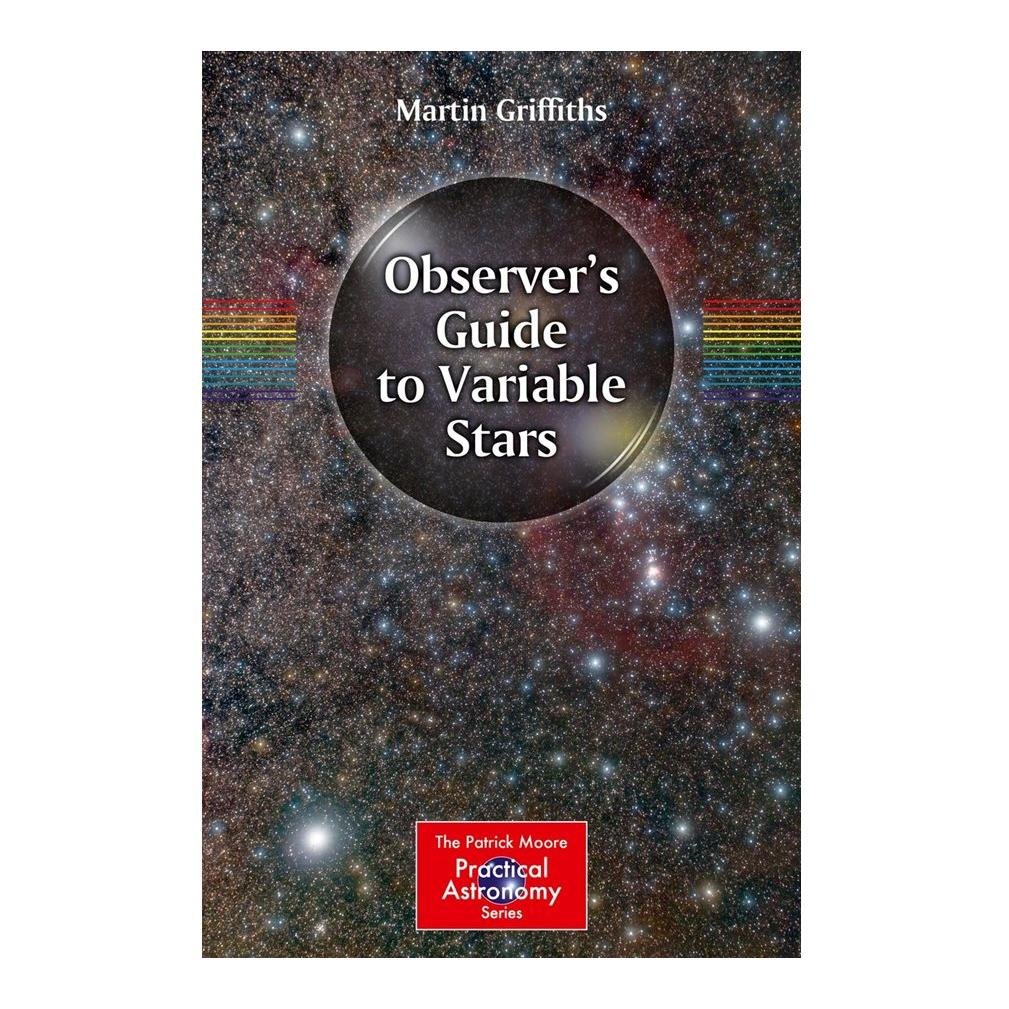
Observer's Guide To Variable Stars
292 kr
AstroSweden
Provides a one-stop shop for the amateur variable star observer. Features chapters on binocular variable stars and photometric study of variable stars, topics that have not been addressed in most other amateur astronomy books. Uses non-mathematical language that is easily accessible to anyone with a general interest in astronomy. Provides basic and advanced information for an activity many amateur astronomers pursue once they have developed some skills in deep sky observing This book contains everything you need to know about variable stars -- stars whose brightness varies noticeably over time. The study of variable stars has been a particularly popular area of research for amateurs for many years; the material contained herein serves as both an introduction to amateur astronomers and a useful reference source for seasoned variable star observers.  With its thorough, non-mathematical descriptions of variable stars and tips for how to see them, this book enables novices and experts alike to set off into the field and observe a wide range of delightful sights. It strikes a balance between easily visible objects that can be seen in any telescope or binoculars, and variable stars that are a direct challenge to those with large aperture equipment or access to photometric tools and methods. After helping the observer differentiate between variable star types, the author goes on to explain the skills needed to operate a telescope and other equipment, as well as how to couple filters to a CCD camera or digital SLR camera in order to photometrically record these celestial objects. Further, the book includes an observational guide to 50 objects for study, with finder charts and data about light curves for ease of identification, along with the stars’ celestial coordinates, magnitudes, and other pertinent information.
Celestial Delights
160 kr
AstroSweden
* Enables Northern Hemisphere readers to quickly determine the next celestial event they can see with the naked eye. * Guides readers through eight years of the sky's rhythms via a month-by-month almanac and annual overviews with each year's best events. * Helps seasoned observers such as eclipse chasers plan travel for events. Celestial Delights, Authors: Reddy, Francis Celestial Delights is the essential "TV Guide" for the sky. Through extensive graphics integrated with an eight-year-long calendar of sky events, it provides a look at "don't miss" sky events, mostly for naked-eye and binocular observing. It is organized by ease of observation lunar phases and the brighter planets come first, with solar eclipses, the aurora, and comets coming later. This third edition also includes a hefty dose of sky lore, astronomical history, and clear overviews of current science. It provides a handy reference to upcoming naked-eye events, with information broken out in clear and simple diagrams and tables that are cross-referenced against a detailed almanac for each year covered. This book puts a variety of information all in one place, presents it in a friendly way that does not require prior in-depth astronomical knowledge, and provides the context and historical background for understanding events that astronomy software or web sites lack.
The Radio Sky and How to Observe It
415 kr
AstroSweden
* Provides all the background material needed to appreciate and understand the astronomy of the major radio sources that are observable by amateurs * Contains the information necessary to build and use a low cost backyard radio telescope. * No previous experience in electronics is required. * Gives plans for a simple cook-book radio telescope that can be built in a weekend! The Radio Sky and How to Observe It, Authors: Lashley, Jeff We have learned a great deal about our universe not only by looking at the sky through optical telescopes but also by listening to it! Although in the past most of the great discoveries have been made by professional radio astronomers using large radio telescopes built for institutions, today even amateurs can build and use small radio telescopes and make discoveries that can contribute to the general store of knowledge. And you dont need to be an electronics genius or rich! Jeff Lashley, in this comprehensive guide to the science and art of putting together and using a small radio telescope, will lead you through the process and help you to understand what to listen for. Filled with projects and tips and great advice, he can get you underway in a hurry and help you to decode what you are hearing. So if youve been doing amateur astronomy for a while and want to expand beyond what you can see with your eyes, this is a direction you should consider going in. Or, if youve dabbled in building radios for years and want to try something new, this can be a way to expand your hobby. Either way, start now listening to the fireworks going on all around you'll be amazed!
Visually Observing Comets
295 kr
AstroSweden
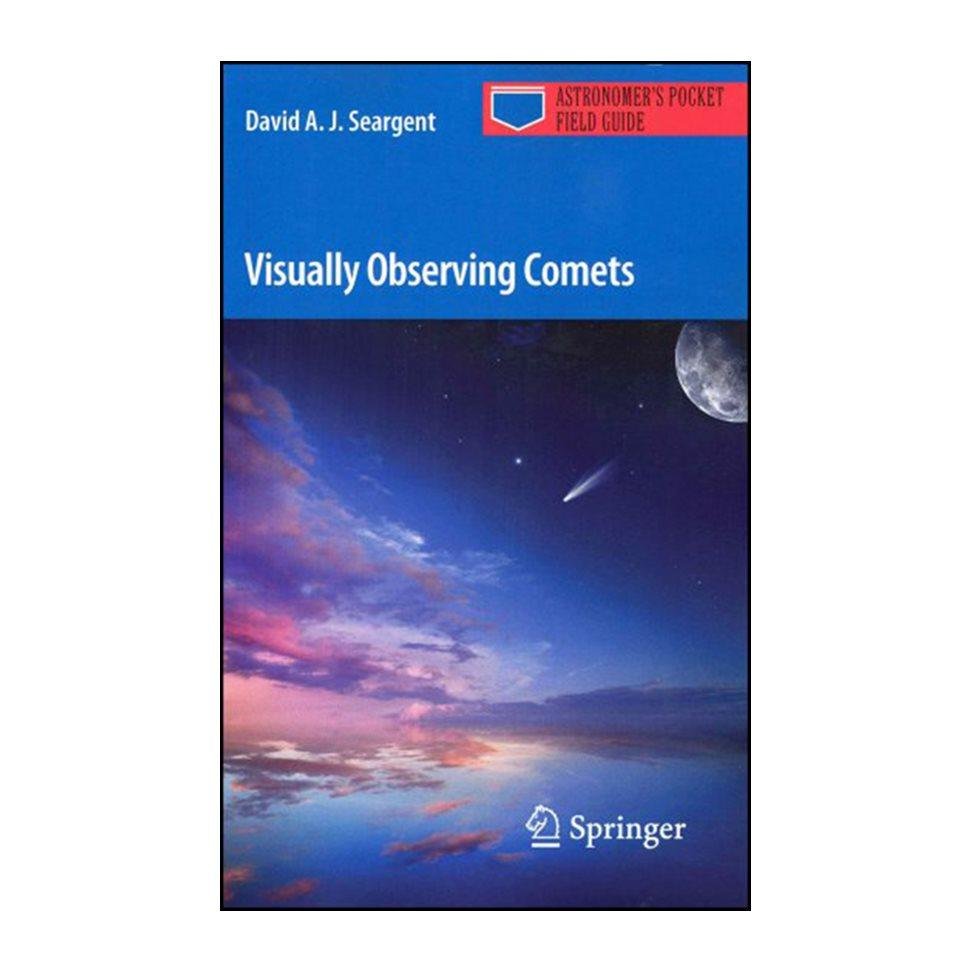
* Titel: Visually Observing Comets * Författare: David A. J. Seargent * Språk: Engelska * Utgiven: 2017 * Format: Häftad * ISBN: 9781316639931 * Includes suggestions for observing periodic comets in addition to finding new comets * Small trim size and to-the-point text make this ideal for use as an on-the-go-reference * Explains the possibilities for an amateur observer to make a significant contribution to planetary science through comet-spotting In these days of computers and CCD cameras, visual comet observers can still contribute scientifically useful data with the help of this handy reference for use in the field. Comets are one of the principal areas for productive pro-amateur collaboration in astronomy, but finding comets requires a different approach than the observing of more predictable targets. Principally directed toward amateur astronomers who prefer visual observing or who are interested in discovering a new comet or visually monitoring the behavior of known comets, it includes all the advice needed to thrive as a comet observer. After presenting a brief overview of the nature of comets and how we came to the modern understanding of comets, this book details the various types of observations that can usefully be carried out at the eyepiece of a telescope. Subjects range from how to search for new comets to visually estimating the brightness of comets and the length and orientation of tails, in addition to what to look for in comet heads and tails. Details are also given of 20 periodic comets, predicted to return between the years 2017 and 2027, that are expected to become suitable targets for visual observing, in addition to information on a famous comet potentially visible each year and subject to great outbursts of brightness.
The Constellation Observing Atlas
355 kr
AstroSweden
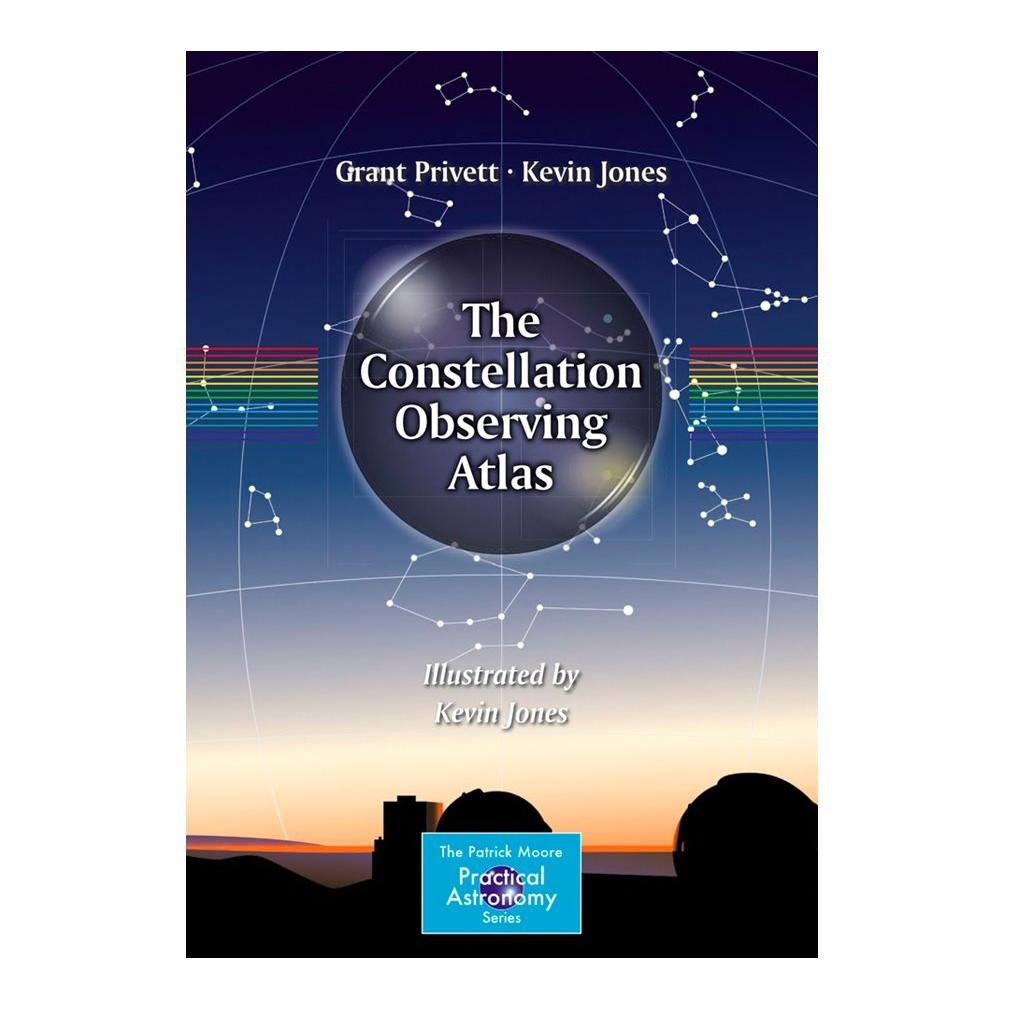
Visualizes relevant physical information of stars and extended objects in an attractive and comprehensive way with different colors, symbol types, and sizes Covers the entire sky, both the Northern and Southern Hemisphere Contains position (and physical) information on enough stars to support star-hopping The Constellation Observing Atlas Designed for anyone who wishes to learn the constellations or observe the best and brightest deep sky objects and double stars, this book contains an alphabetical list of constellations complete with star maps, historical background, and highlights of deep sky objects. Each entry contains position and physical information on enough stars to support astronomers in star-hopping, swinging the telescope from star to star to star to arrive at a faint target. It provides a carefully selected list of accessible and rewarding deep sky objects. Full-color maps show the constellations, with star types (spectral and physical) indicated by the colors used on the map. Extended objects such as galaxies and nebulae are shown with the approximate apparent size in the sky. With unmatched thoroughness and accessibility, this is a constellation atlas that makes the ideal companion to a night's telescope viewing, for novices and expert amateur astronomers alike. Easy to navigate and refer to, it is the key that unlocks the door to greater night sky exploration.
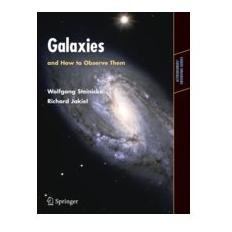
Galaxies And How To Observe Them
299 kr
AstroSweden
This book is a unique work satisfying the need for a modern, comprehensive review of all major aspects of galaxy observation.Galaxies and How to Observe Them, Authors: Steinicke, Wolfgang, Jakiel, Richard The book combines the physical background on the nature and data of galaxies, the relevant instrumentation and viewing techniques, and finally the targets and their individual appearance in telescopes of various apertures. A comprehensive sample of galaxies, including quasars, groups and clusters of galaxies is presented. This combination of theoretical knowledge and practical information guarantees successful observing sessions. Furthermore, the book is clearly structured with outstanding images and graphics.
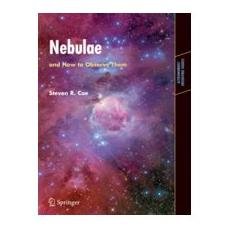
Nebulae and How to Observe Them
295 kr
AstroSweden
Nebulae are the places where the stars are born. For amateur astronomers, the many different kinds of nebulae vary from "easy" targets that can be seen with modest equipment under mediocre skies, to more obscure "challenging" objects that require experienced observers, more powerful telescopes and excellent observation conditions.Nebulae and How to Observe Them, Authors: Coe, Steven The concept of this book - and of the series - is to present an up-to-date detailed description and categorisation of nebulae, and then to instruct the reader in the best ways to successfully observe and record the large range of astronomical objects that fall under the general heading of "nebulae". Nebulae and How to Observe Them is a comprehensive mine of information for all levels of amateur observers, from the beginner to the experienced. The Astronomers Observing Guides are designed for practical amateur astronomers who not only want to observe, but want to know the details of exactly what they are looking at ASTRONOMERS OBSERVING GUIDES provide up-to-date information for amateur astronomers who want to know all about what it is they are observing. This is the basis of the first part of the book. The second part details observing techniques for practical astronomers, working with a range of different instruments. Steven Coe 1st Edition., 2007, X, 156 p. 128 illus., 11 in color.
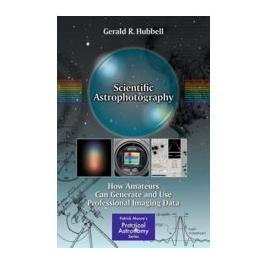
Scientific Astrophotography
459 kr
AstroSweden
How Amateurs Can Generate and Use Professional Imaging Data Scientific Astrophotography is a work for those amateur astronomers looking for new challenges, once they have mastered visual observing and the basic imaging of various astronomical objects. It is a wonderful reference for scientifically-inclined observers who want to learn the fundamentals of astrophotography with a firm emphasis on the discipline of scientific imaging. Scientific Astrophotography, Author: Gerald R Hubbell This book is a wealth of information and a distillation of ideas presented by a diverse set of sources and based on the most recent techniques, equipment, and data available. It also includes numerous exercises for the reader, to maximize the success and minimize the frustration inherent in the pursuit of this specific craft. Scientific Astrophotography is perfect for any amateur astronomer who wants to go beyond just the process of making beautiful images and actually contribute to the science of astronomy! "...Gerald Hubbell's new book, Scientific Astrophotography, is the perfect companion for anyone dipping their toe into the digital imaging realm for the first time. The author answers all the questions people have when starting out, such as how do I get the most bang for my buck, and how do I select the right CCD for my telescope?" * Mike Simonsen, American Association of Variable Star Observers
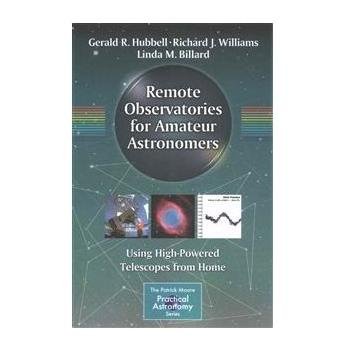
Remote Observatories for Amateur Astronomers
415 kr
AstroSweden
Using High-Powered Telescopes from Home * Tells amateur astronomers how anyone at home can access and use a professional telescope at a remote observatory. * Explains the technology behind the development of remote observatories, once only used by professionals but now available to amateur observers. * Includes practical information on how to choose a remote observatory, costs, and benefits, and presents many possible projects suitable to carry out with a remote observatory. Remote Observatories for Amateur Astronomers, Authors: Hubbell, Gerald R., Williams, Richard J., Billard, Linda M. Amateur astronomers who want to enhance their capabilities to contribute to science need look no farther than this guide to using remote observatories. The contributors cover how to build your own remote observatory as well as the existing infrastructure of commercial networks of remote observatories that are available to the amateur. They provide specific advice on which programs to use based on your project objectives and offer practical project suggestions. Remotely controlled observatories have many advantages—the most obvious that the observer does not have to be physically present to carry out observations. Such an observatory can also be used more fully because its time can be scheduled and usefully shared among several astronomers working on different observing projects. More and more professional-level observatories are open to use by amateurs in this way via the Internet, and more advanced amateur astronomers can even build their own remote observatories for sharing among members of a society or interest group.
Classic Telescopes - A Guide to Collecting, Restoring, and Using Telescopes of Y
355 kr
AstroSweden
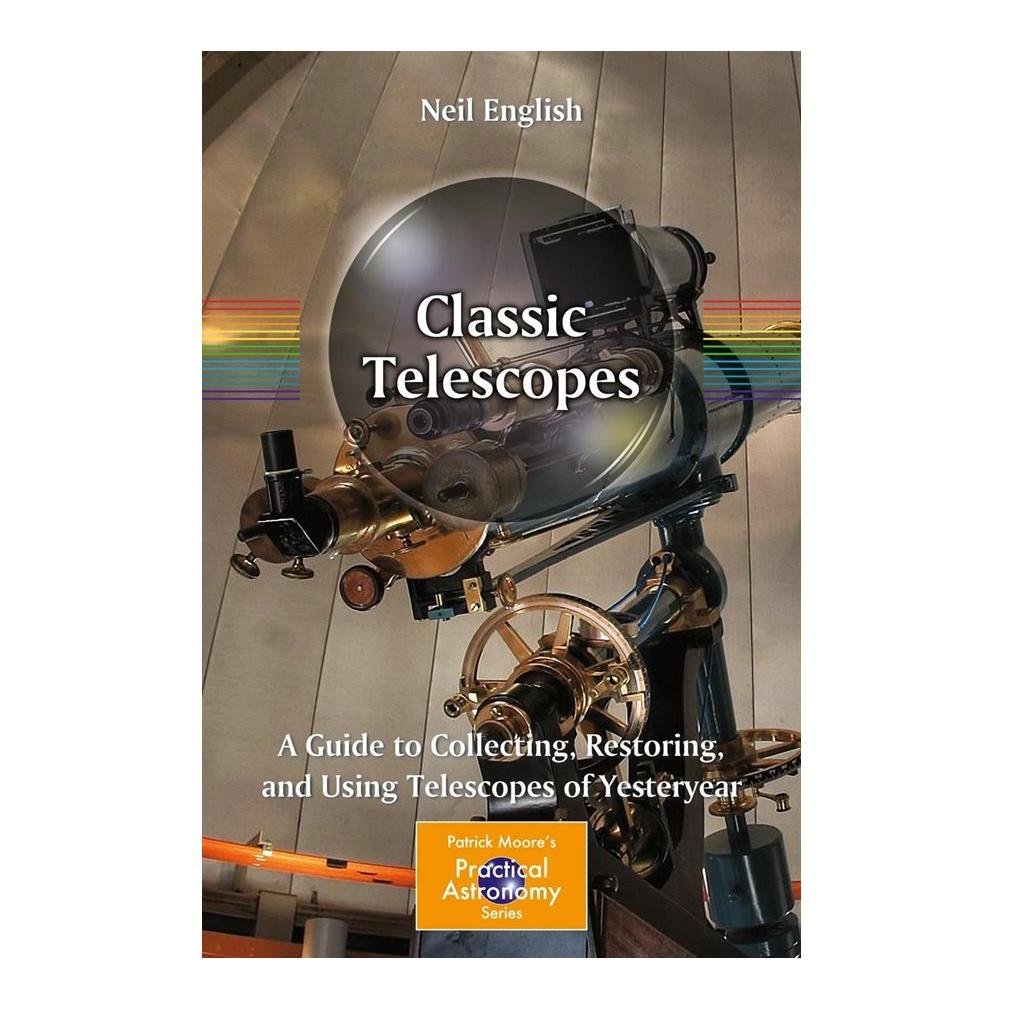
Includes some rare photos of the most iconic telescopes ever built, revealing their allure and making obvious the value of these wonderful instruments. Shows readers how to find real bargains on classic telescopes, especially using eBay and the rest of the Internet. Interviews top telescope collectors and users from both sides of the Atlantic. Includes review of some specific instruments that are often talked about on the amateur Internet forums Classic telescopes are of interest to amateur astronomers for a variety of reasons. There are the dedicated collectors, but there are also many amateurs who love the nostalgia they inspire. These telescopes "feel" different from any contemporary telescope and perhaps have a unique ability to reconnect the owner to a bygone age of craftmanship. This book takes a look at traditional telescopes built by the great instrument makers of the 18th and 19th centuries, particularly the dynastic telescope makers, including Dollond, Alvan Clark, Thomas Cooke & Sons, and Carl Zeiss. Also included are lesser luminaries such as John Brashear, John Calver, William Wray, Henry Fitz, and William Henry Mogey. 'Classic Telescopes' covers the key features of the telescopes designed by these manufacturers, and shows how a heady combination of market trends, instrument condition, and pedigree will dictate their prices at auction. 'Classic Telescopes' also shows the reader how to find real bargains! Interviews with top classic telescope collectors (and users) provide the best tips of prospecting for a genuine acquisition.
Venus and Mercury, and How to Observe Them
385 kr
AstroSweden
Mercury and Venus - known as the "inferior planets" because they are closer to the Sun than the Earth is - have always been regarded as difficult and even dangerous targets for amateur astronomers.Venus and Mercury, and How to Observe Them, Authors: Grego, Peter Recent advances in commercially-made instruments have, however, brought them within range of only moderately experienced observers, and certainly Mercury and Venus are by no means inferior in terms of visual delights, observing challenges...and mystery. Venus and Mercury and How to Observe Them offers a wealth of detailed practical information on every aspect of observing, from safely targeting the two planets, through visual observing, to sketching and electronic imaging. This is of course much more than a book about observing. We now know a lot more of the origin and evolution of Mercury and Venus, and Peter Grego describes the most recent theories of their probable formation, geology, and history. Not only does this include a lot about the surface of the planets, but also their internal structure, magnetic fields, and atmospheres. Peter Grego 2008, XIV, 266 p. 80 illus., 30 in color.
The Caldwell Objects and How to Observe Them
419 kr
AstroSweden
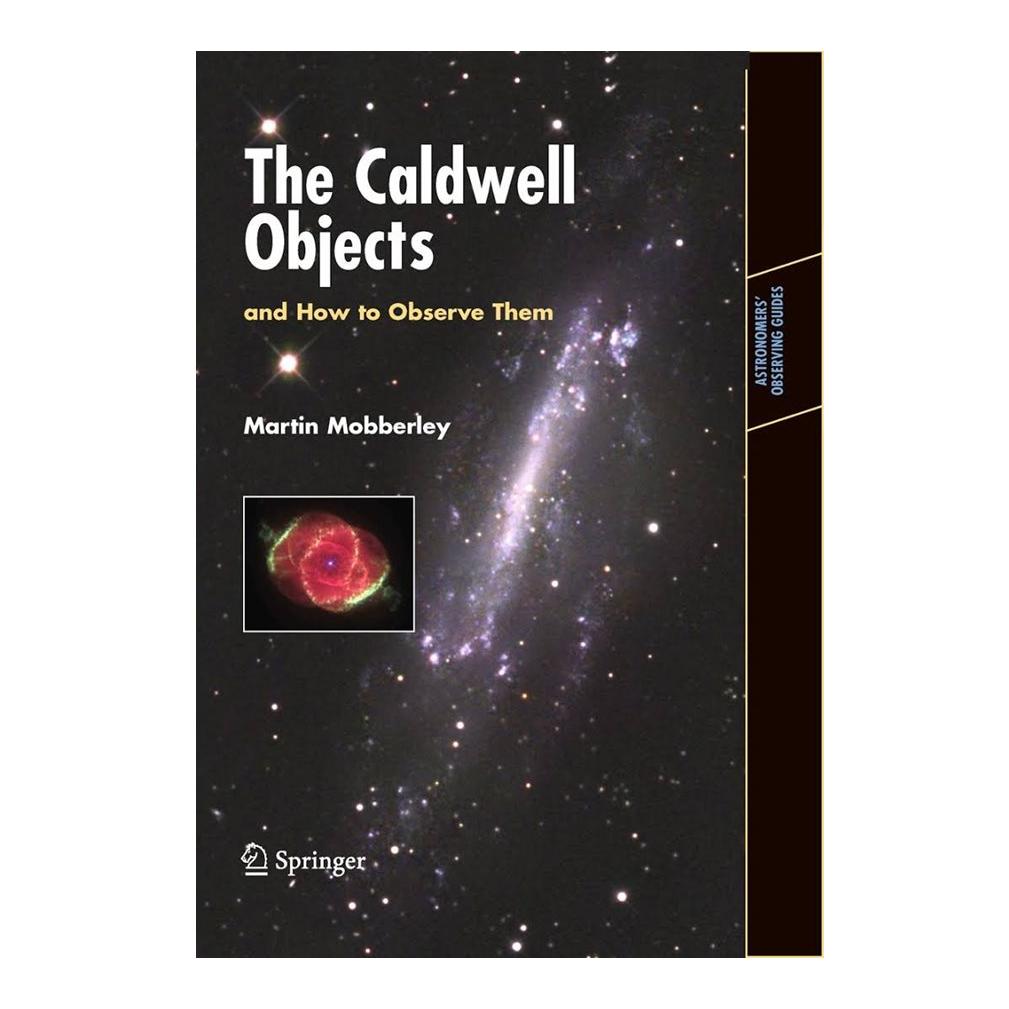
If you're wanting a challenge for your newly acquired telescope, or are interested in seeing what others have highlighted as some of the greatest sights in the night sky, this book will set you on the path of discovery.The Caldwell Objects and How to Observe Them There have been only a handful of famous deep sky "catalogs," including Charles Messier's, which was the first and remains the most famous. Messier was a comet hunter, and in the late 1700s he published a list of 109 objects in the sky that were not comets. In December 1995, Sky & Telescope published a list of deep sky objects sent to them by British amateur astronomer extraordinare, Sir Patrick Moore (officially, Sir Patrick Caldwell-Moore). It was a huge hit! Sir Patrick may be the most prolific authors of astronomy books for all time and has been presenting the BBC Sky at Night television series since April 1957. Moore's list contained 109 non-Messier objects that were Patrick's favorites, many of them visible only in the southern hemisphere. Accompanying the list of objects were long exposure black and white and color photographs of some of these objects. In this book Martin Mobberley, who has known Sir Patrick Moore for many years, describes these objects and tells how to locate them. He discusses the best ways to visually observe them and image them. He also tells a little of Moore's life and observing practices and how he made his choices for the "catalog." If you're wanting a challenge for your newly acquired telescope, or are interested in seeing what others have highlighted as some of the greatest sights in the night sky, this book will set you on the path of discovery.
Jupiter And How To Observe It
385 kr
AstroSweden
Jupiter is one of the most spectacular observing targets for amateur astronomers. There are various books about observing the planets, and several about Jupiter itself, but this is the only book to deal with the giant planet - its formation, structure, and incredible physics - as well as with the practical aspects of observation of the planet and its moons.Jupiter and how to observe it, Authors: McAnally, John W. The concept of the book - and of the series - is to present an up-to-date detailed physical and astrophysical description (part one) and then (part two) to consider how best to observe and image the giant planet. Jupiter and How to Observe It is a mine of information for all levels of amateur observers, from the beginning to the experienced, and will be fascinating reading for all practical amateur astronomers. 1st Edition., 2008, X, 218 p.
Observing the sun
355 kr
AstroSweden
A comprehensive solar observing guide for use at the telescope by amateur astronomers at all three levels: beginning, intermediate, and advanced. Users will find invaluable information for identifying features through photos, charts, diagrams in a logical, orderly fashion and then interpreting the observations.Observing the sun - A Pocket FieldGuide, Author: Jamey L. Jenkins Because the Sun is a dynamic celestial body in constant flux, astronomers rarely know for certain what awaits them at the eyepiece. All features of the Sun are transient and sometimes rather fleeting. Given the number of features and the complex life cycles of some solar features, it can be a challenging hobby, and this guide provides all of the guidance necessary to inform observers about the sights and events unfolding before their eyes on the most active and powerful member of our Solar System.

Om Köpa.se | info@kopa.se | © 2025 Köpa.se – Alla rättigheter förbehållna. | Ansvarsfriskrivning | Generella tips | Foton från Freedigitalphotos.net eller iStockphoto.